What Cameras Are In My Current Rotation
Published:
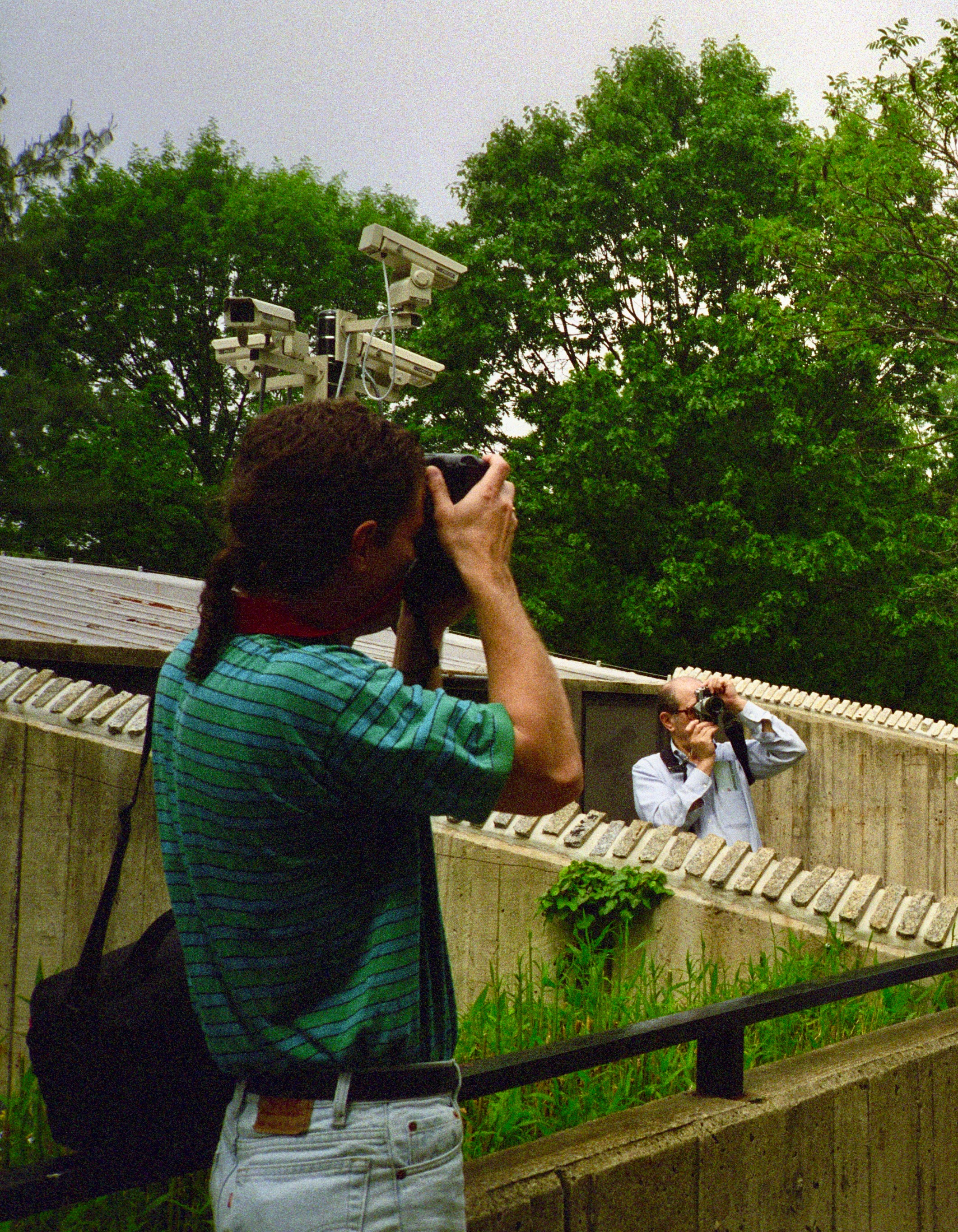
Photography has always been a big part of my life. My great uncle on my moms side was a photographer who shot almost exclusively in black and white, and my dad did a lot of film photography in France, a hobby he continued when he moved to the US in the early 90s. Growing up, I was surrounded by their photographs decorating most rooms in our house. My dad even built a darkroom in our basement and we spent plenty of time in there developing his black and white film together. I got my first camera when I was 7 years old and have only grown my collection since then.
 +1
+1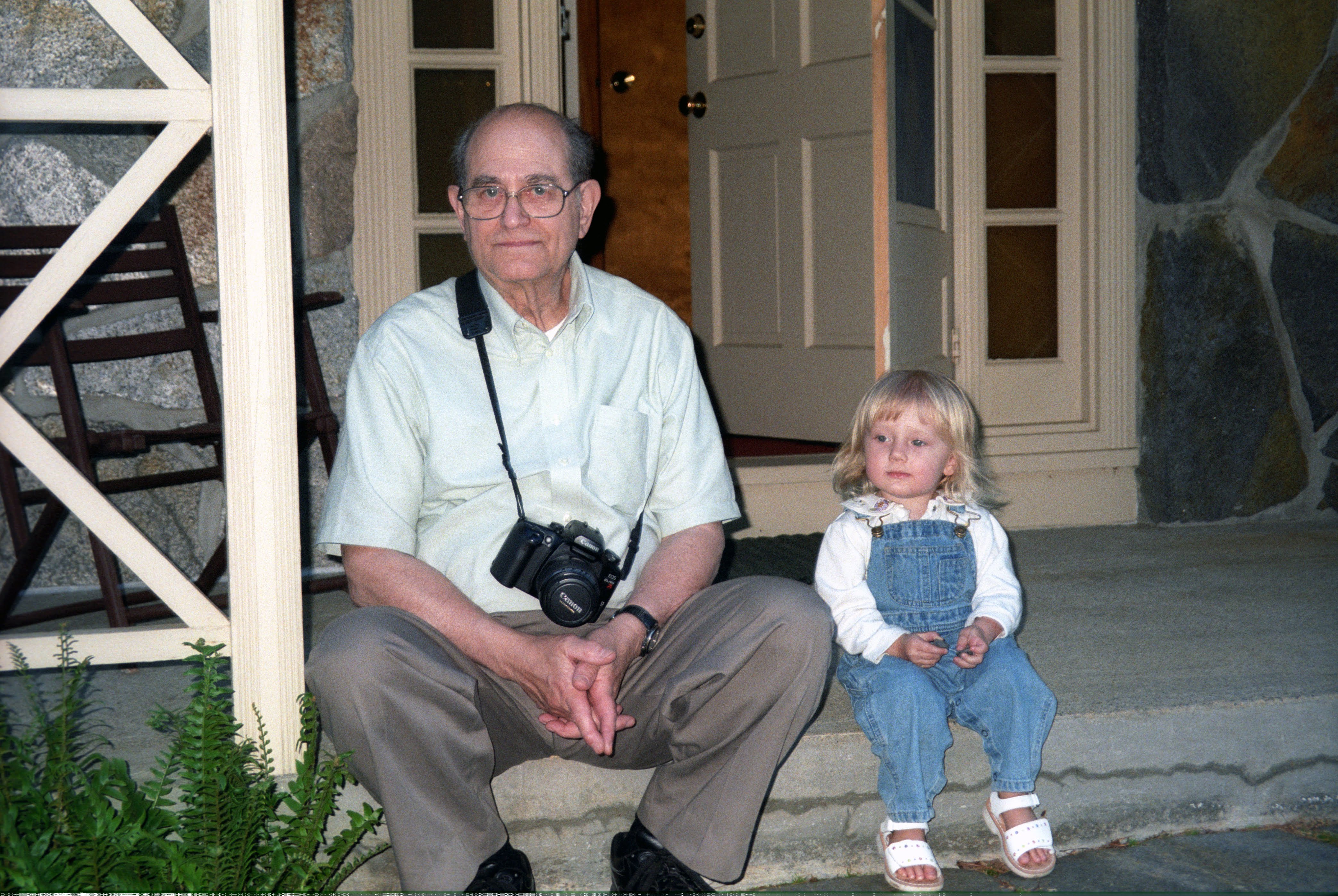
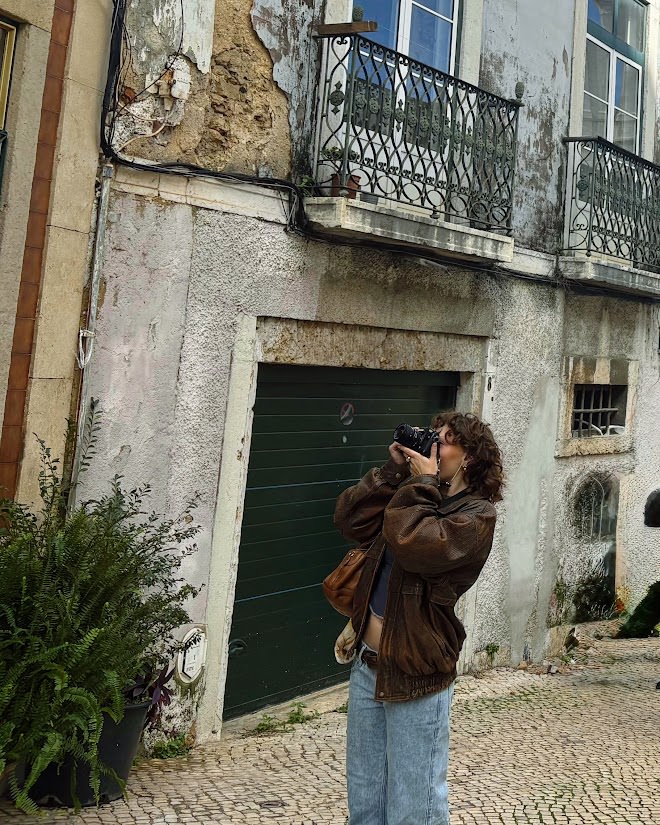
As a marine biologist and scientific diver, being able to document what I see underwater is really useful for my research, and as a traveler, I want to capture the places and people I encounter around the world. Over time I’ve built up a little collection of cameras, each with its own vibe and purpose. Here’s what cameras I use the most and why!
Olympus TG-7 with Underwater Housing
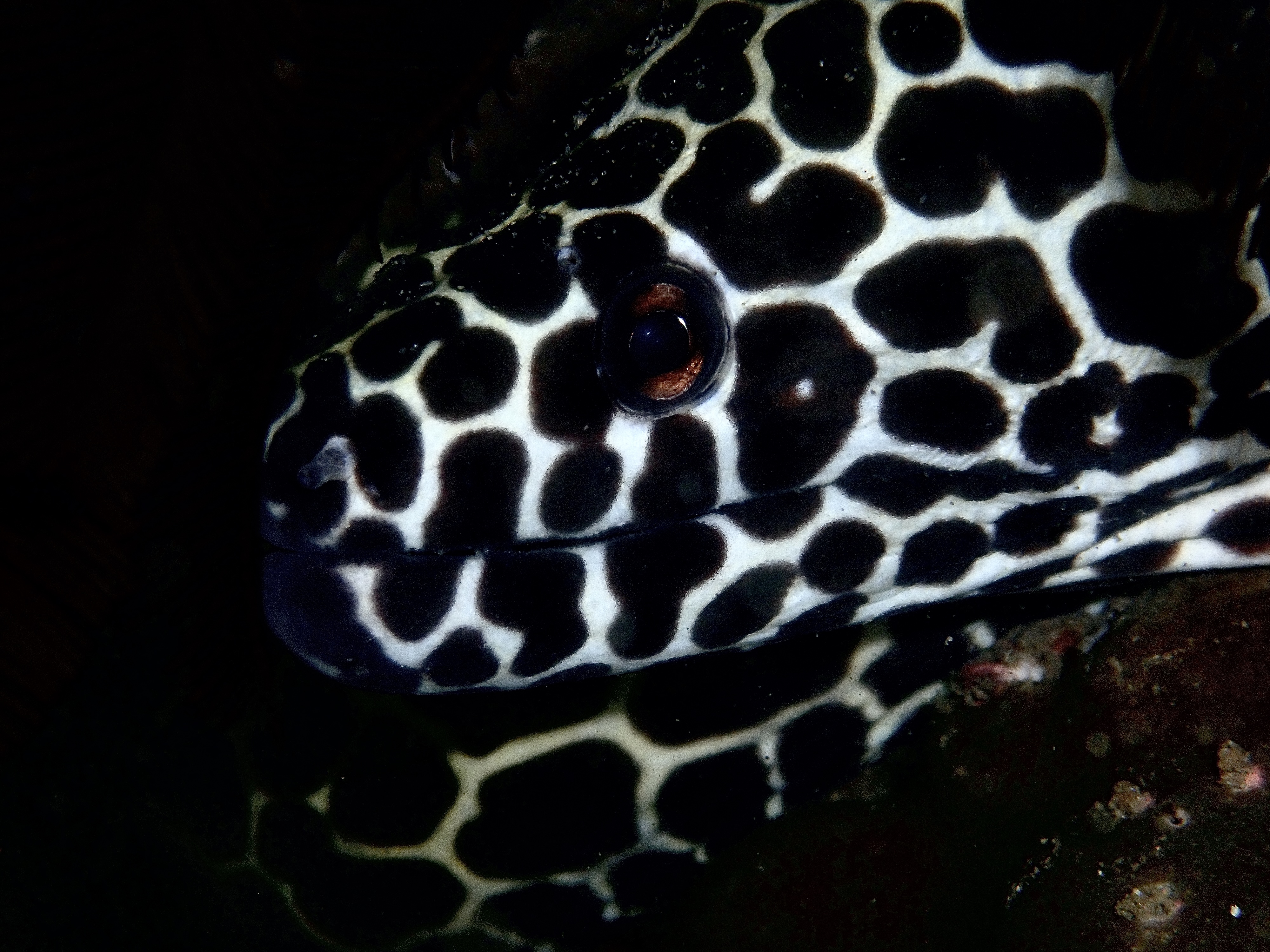
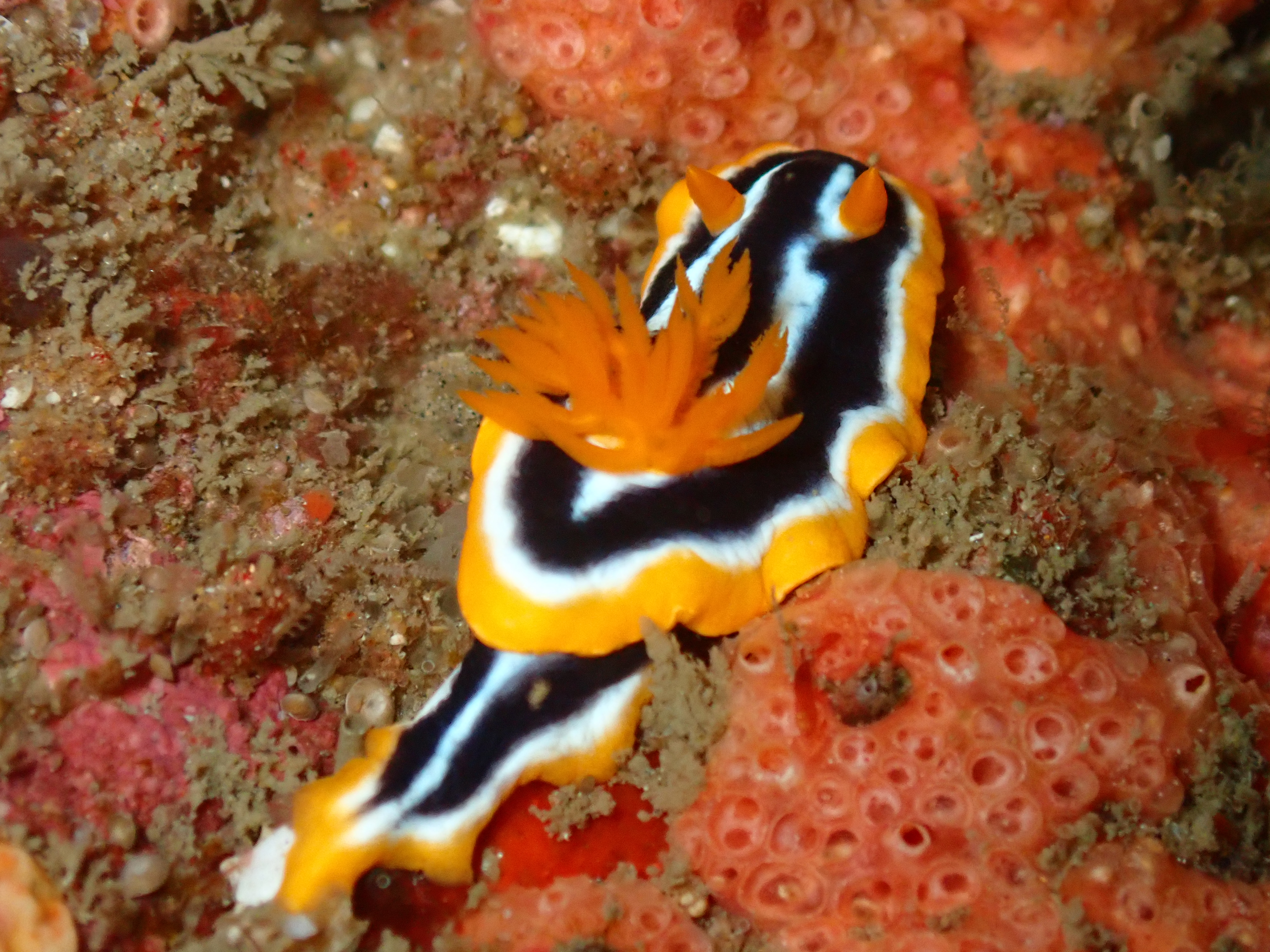
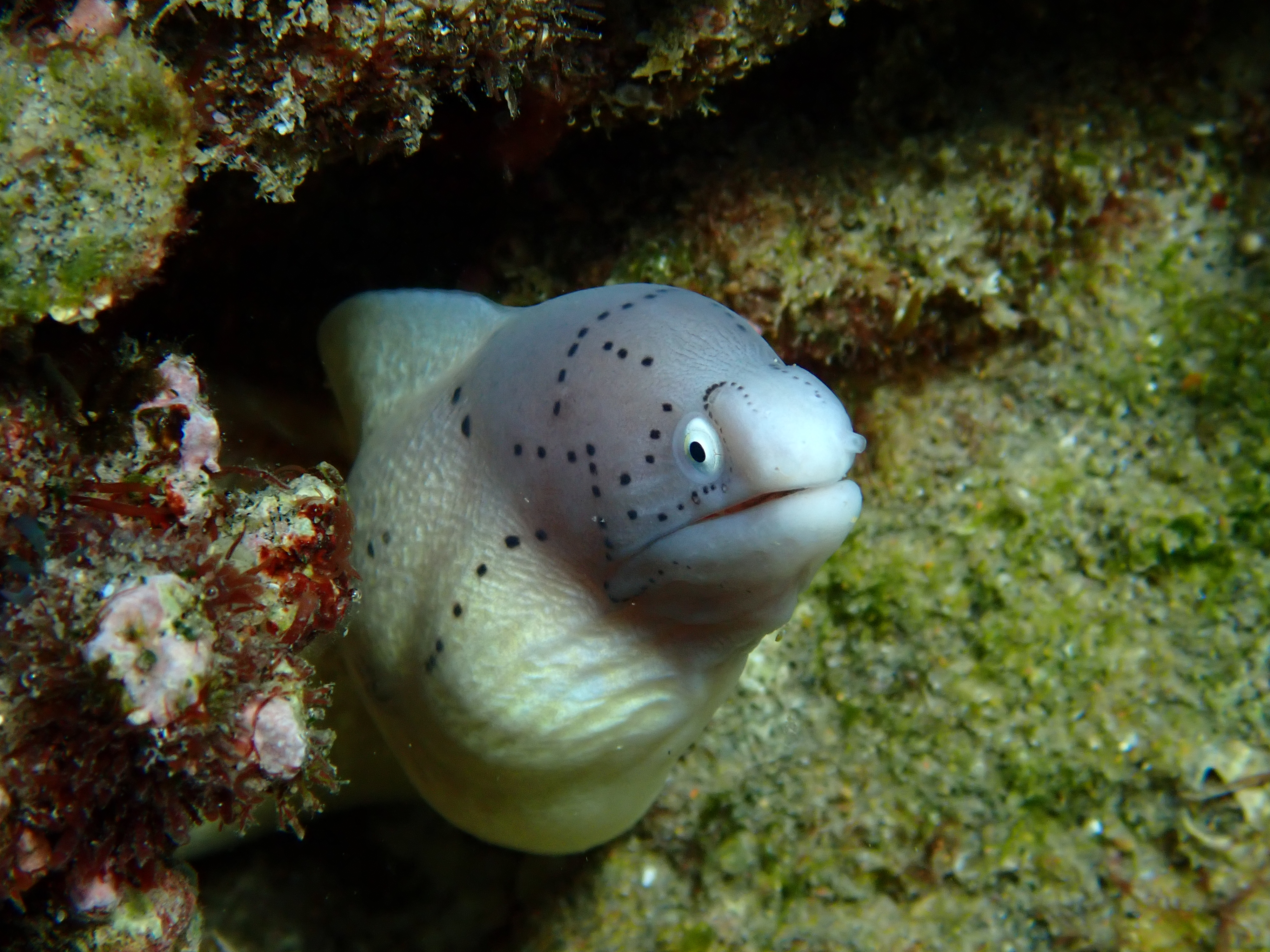
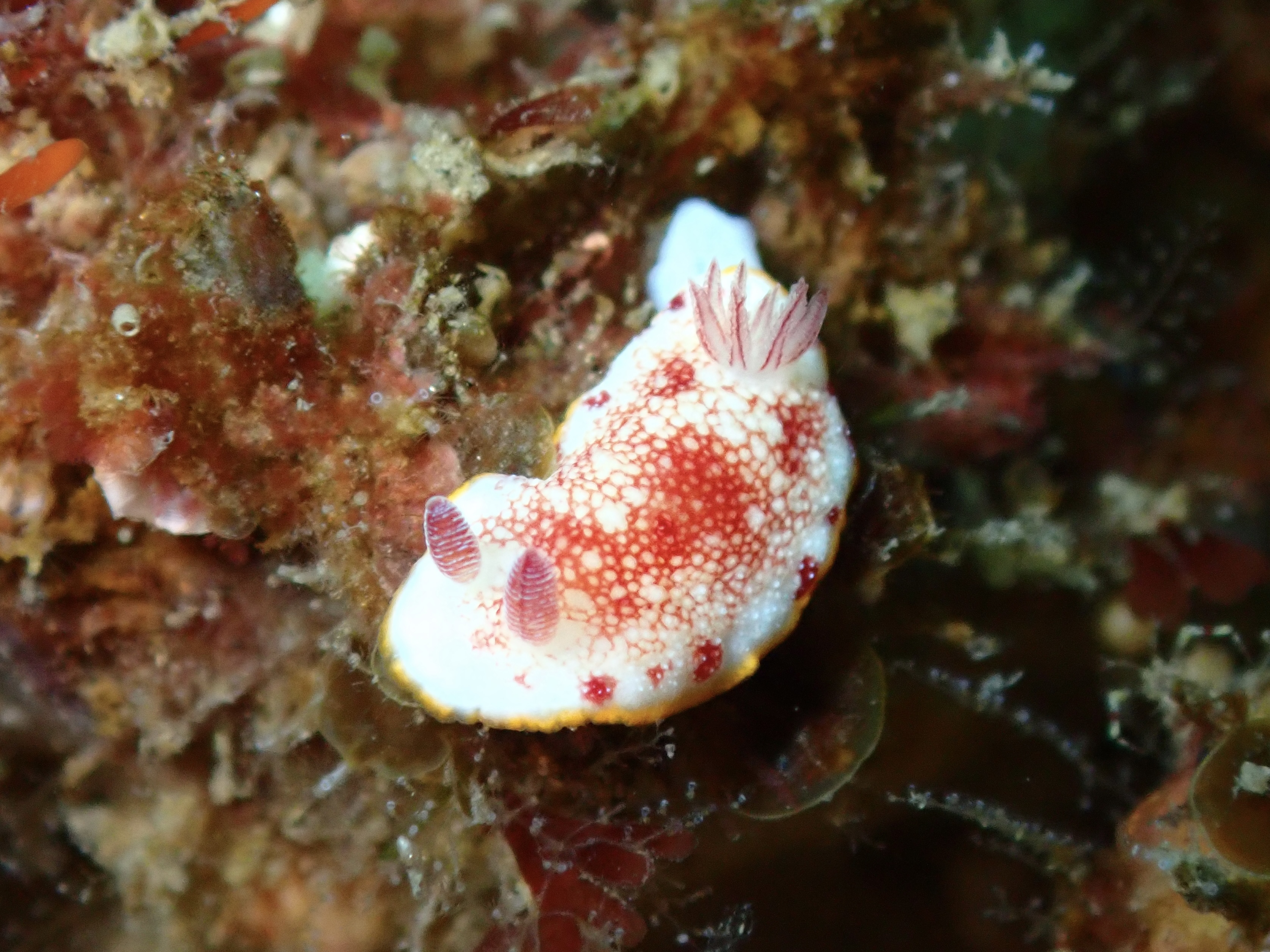
My go-to for underwater macro photography
The TG-7 is my primary underwater camera and the one I use whenever I want detailed, close-up shots of marine life. I have underwater housing for it, which allows me to take it to depth without any issues. Without the housing, the camera is still waterproof and can go up to 15 meters!
Settings: When underwater, I always shoot using the custom white balance setting, which I set during the dive using something white, usually my underwater dive slate, to calibrate the color accurately for the depth and conditions I’m in. The TG-7 also has preset white balances for shallow, mid, and deep water which are great when you don’t have a slate handy. For shooting, I use either Underwater Macro or Underwater Microscope mode depending on how small my subject is, both are excellent for capturing the fine details of nudibranchs, crustaceans, and other tiny reef creatures. This camera also has great landscape settings for sunsets and scenery above the water!
What I love about it: The macro capabilities are really impressive. I can get super detailed shots of small subjects that would be impossible with a wide angle camera. It handles color really well when the white balance is set correctly, which makes a huge difference underwater where reds and oranges disappear quickly with depth.
The cons: You really need an external light strobe to get the best results, something I am still saving up for. The built-in flash works well, but the strobe is a game changer. Another issue I’ve found is that the battery drains very quickly if you try to shoot video, so I keep this camera purely for photos and leave the video to my GoPro.
GoPro Hero 10
My underwater video camera
My GoPro attaches to my TG-7 so I can bring them both on every dive. I use the Olympus for my macro photography (mostly for nudis), and the GoPro for all my videos.
What I love about it: The battery life is excellent compared to the Olympus, which makes it much better for continuous video recording during long days on the boat. The video resolution is great and it doesn’t only shoot wide angle, which gives you more flexibility with framing. It’s also rugged, reliable, and simple to use underwater when you’re also trying to navigate a dive.
The cons: It’s not as strong for still photos, so I wouldn’t rely on it for detailed macro shots or photos in general. But for capturing movement, behavior, and megafauna, it’s hard to beat.
Fuji Discovery 1000
My point-and-shoot film camera
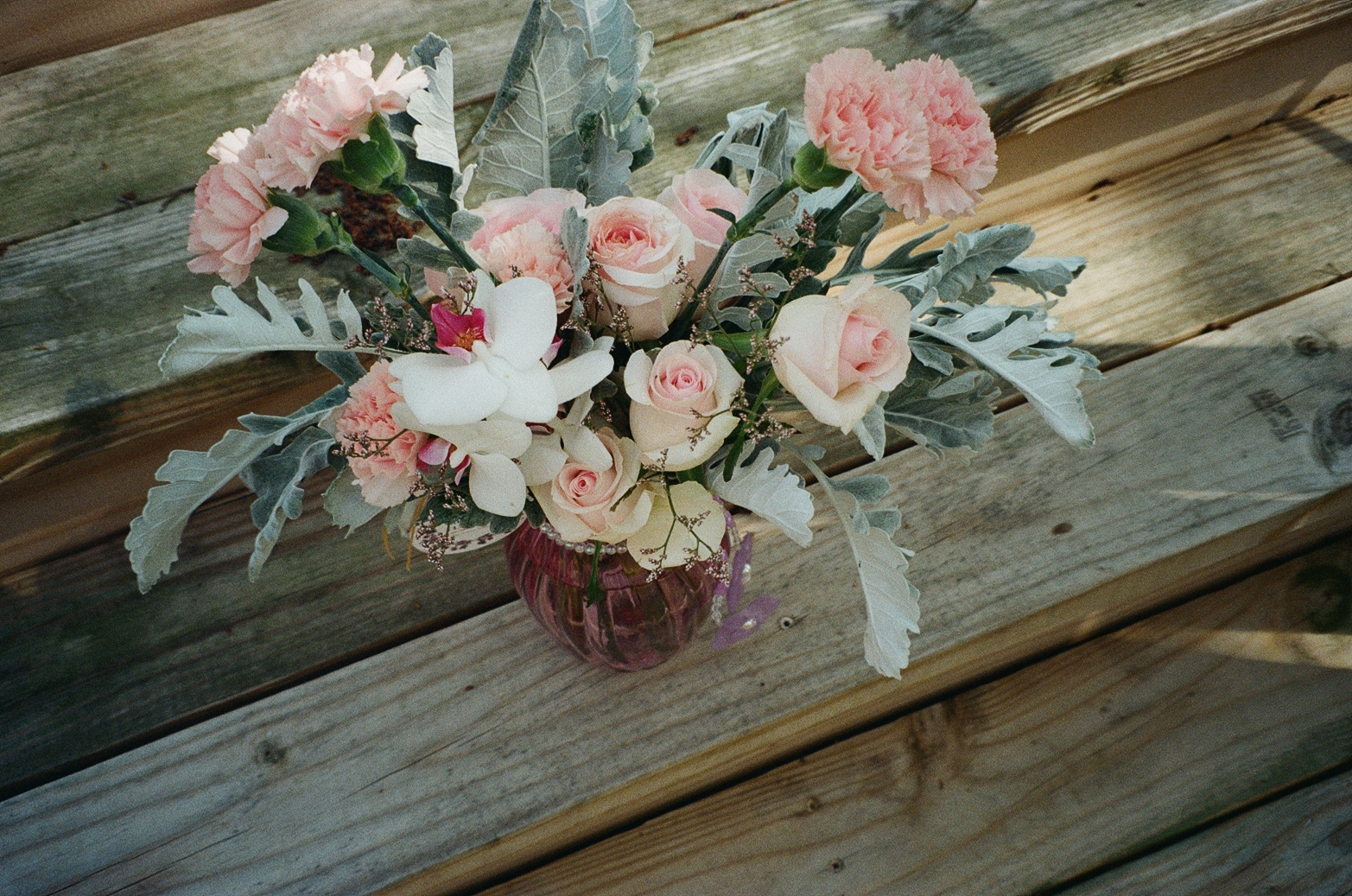
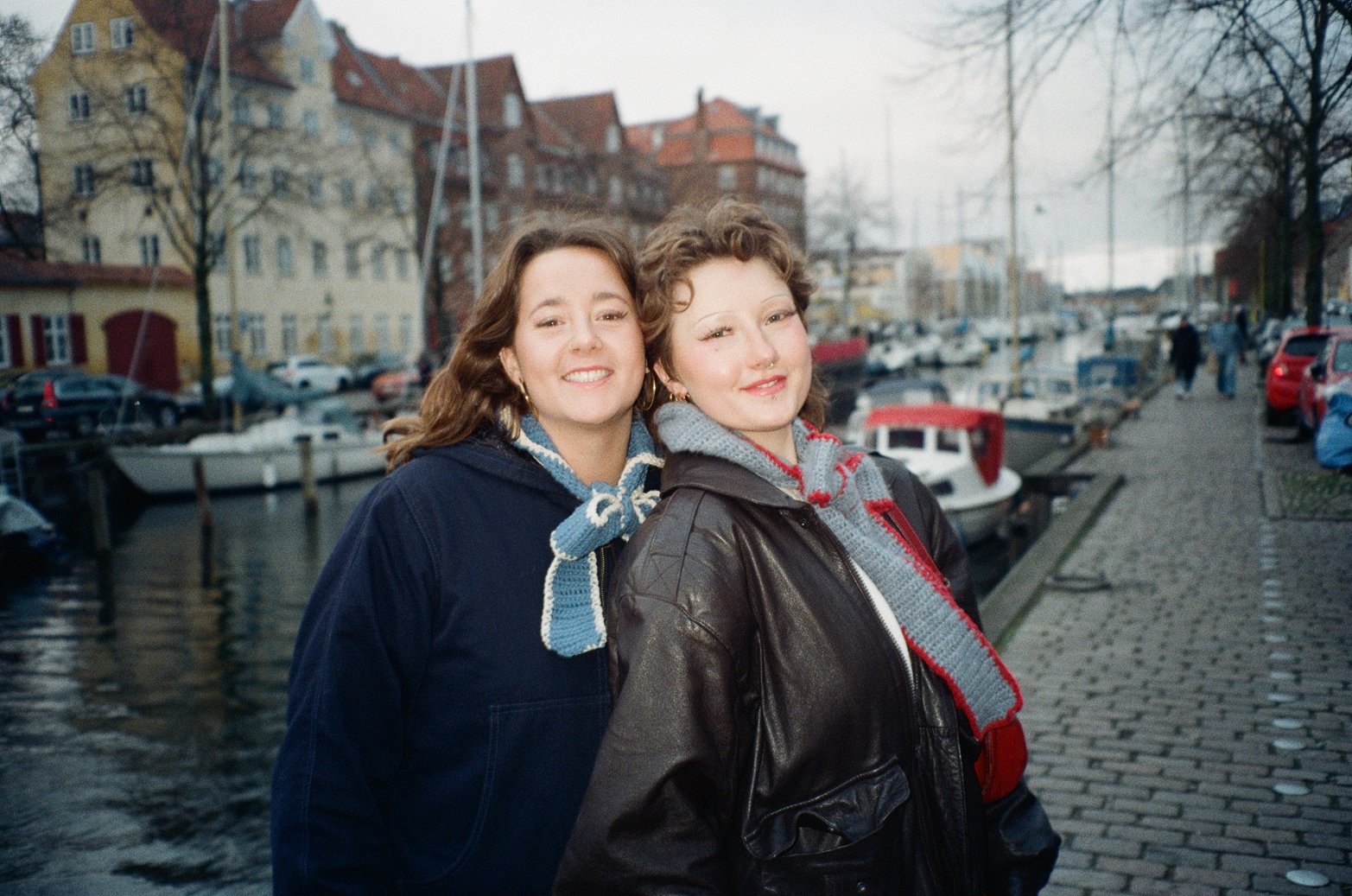
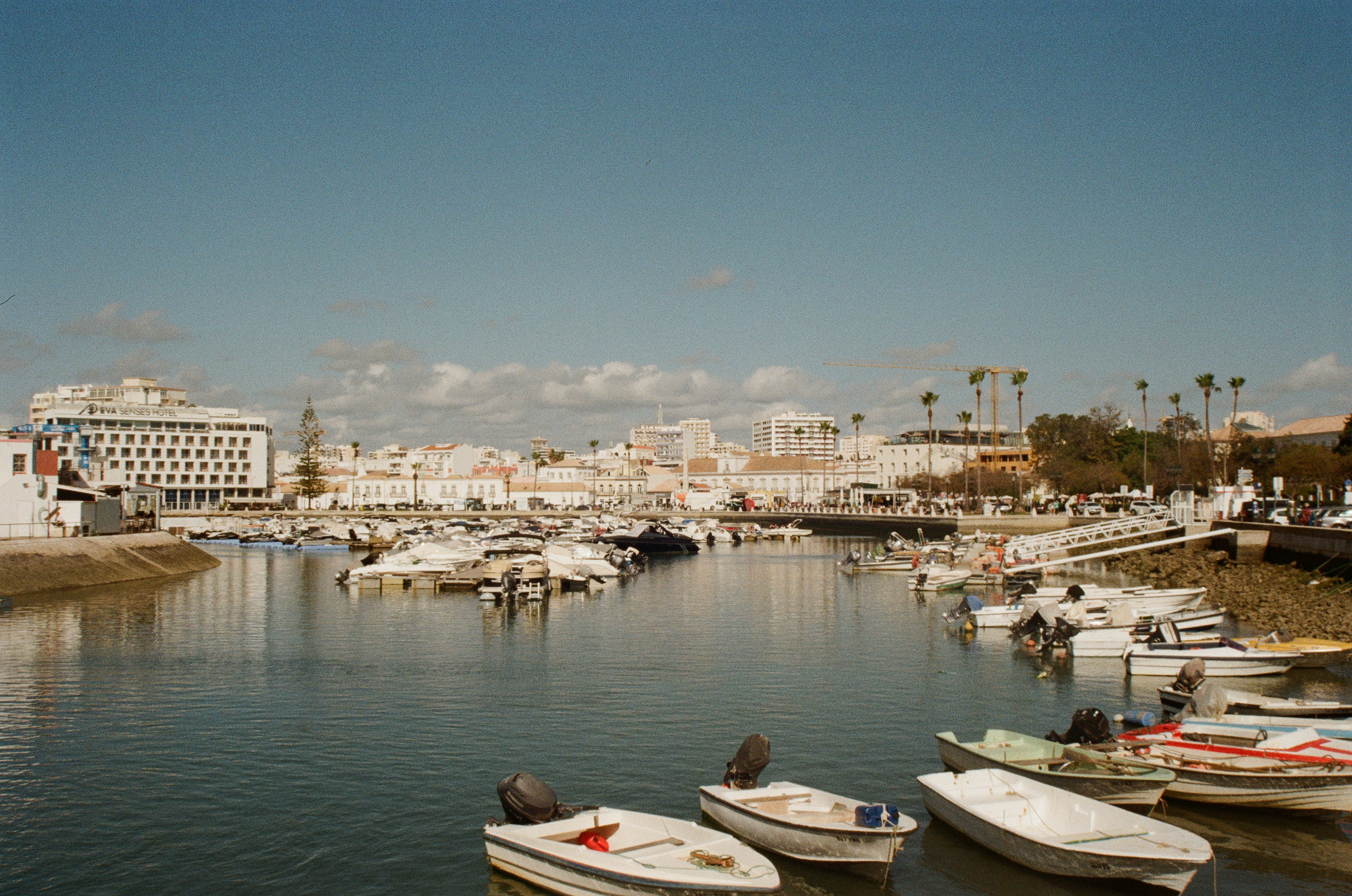
This is my easy, grab-and-go film camera. It has a 12x zoom lens, a few setting options like flash, flash with red-eye reduction, and a landscape mode, but everything else is fully automatic.
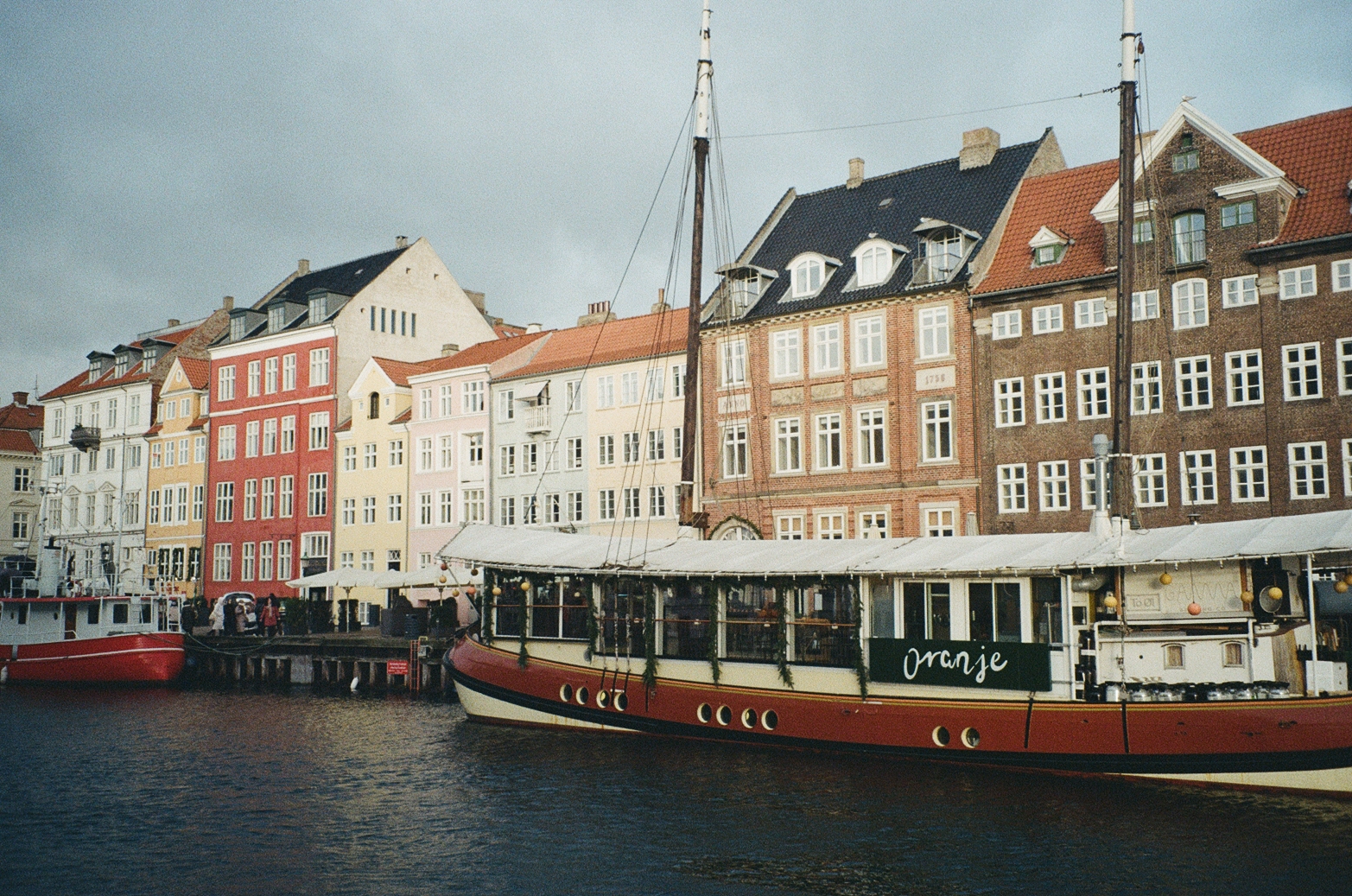
For film, I tend to shoot color negative at 200–400 ISO. Lower ISO means sharper, less grainy images with better color accuracy, which suits the kind of travel, portrait, and landscape shots I use this camera for. My go-to films are Kodak ColorPlus and Kodak Gold, both reliable, affordable, and give a beautiful glow to the photos, but it’s also fun to experiment with different film!

Konica FT-Motor
My manual film camera
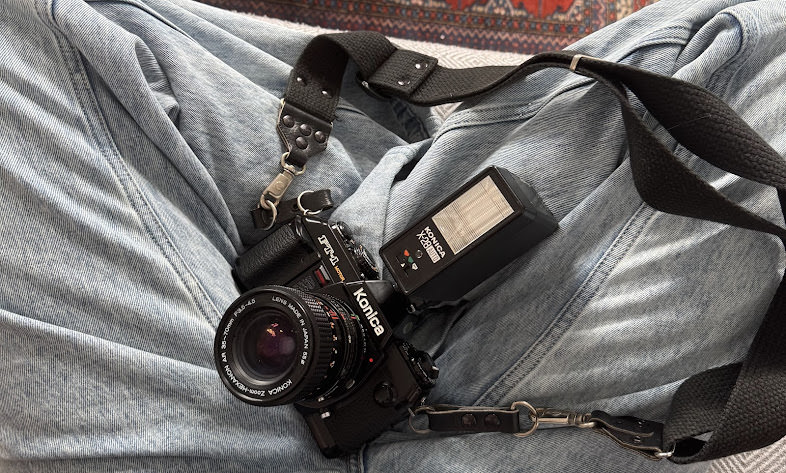
This camera is so special to me. Many years ago, my Konica FT-Motor belonged to my grandmother, who passed it on to my mom, who then passed it on to my dad, and eventually he passed it on to me. It’s fully manual, which means every shot requires time and intention. I use it mostly for scenery and landscapes where I have the time to set up the shot properly.
Shutter speed: I typically shoot at 1/125s, which is fast enough to prevent motion blur in most situations. For faster moving subjects, I’ll increase the shutter speed, but that also means I need more available light to compensate.
Aperture: This is where manual shooting gets fun! f/22 is the most closed aperture, it keeps everything sharp from foreground to background, making it great for wide landscapes, but it requires a lot of light. f/3.5 is the most open, it lets in much more light and creates that beautiful background blur (bokeh) that makes subjects pop, which is great for portraits or isolating a single subject. Everything in between is a balance of light and depth of field.
Tip: A lot of cameras, including the Konica, will indicate the ideal aperture in the viewfinder when you press the shutter button halfway down. If you’re new to manual shooting, use that as a starting point and adjust from there based on the look you want.


Nikon Coolpix
My everyday carry
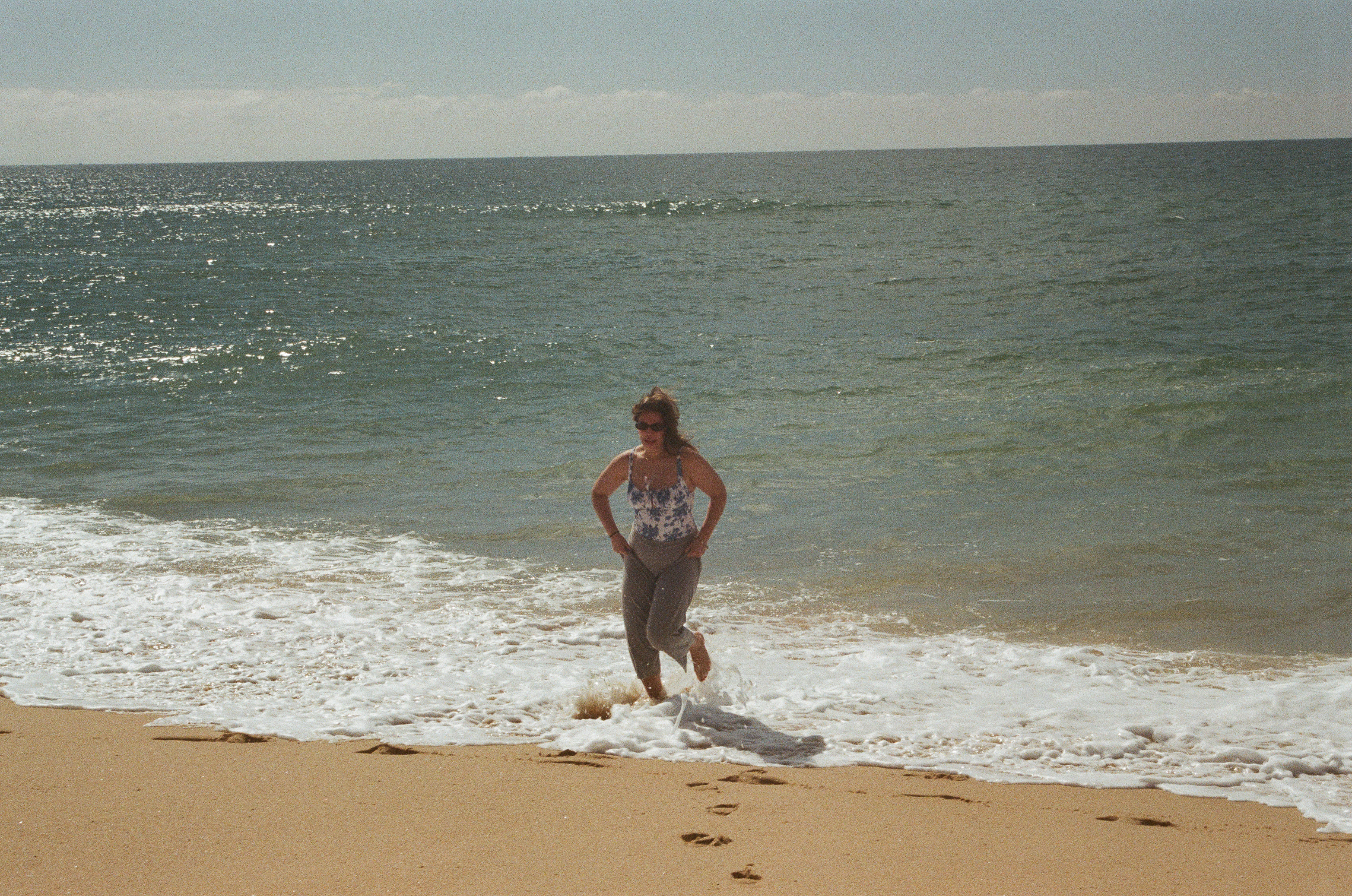
My Coolpix lives in my purse. It’s small enough to fit in a pocket and I take it whenever I’m out with friends, exploring a new place, or just want a fun camera without committing to something heavy. It’s a fully digital point-and-shoot, but I do adjust scene settings depending on conditions, changing things like scene and flash depending on where I am and how much light is available. It handles flash photography well, which makes it great for indoor settings and evening outings.
Canon Powershot SX150
My higher-end digital option
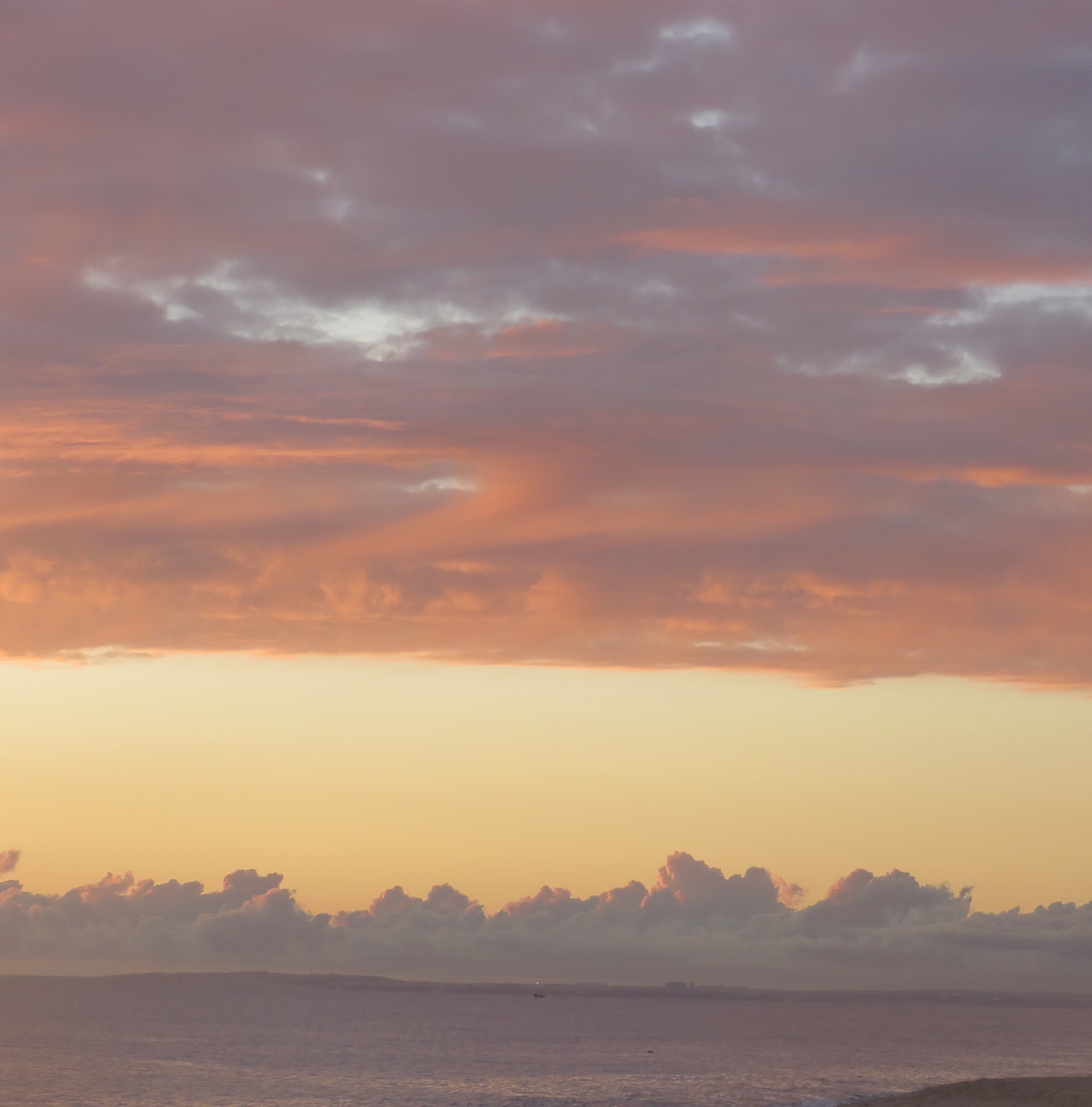
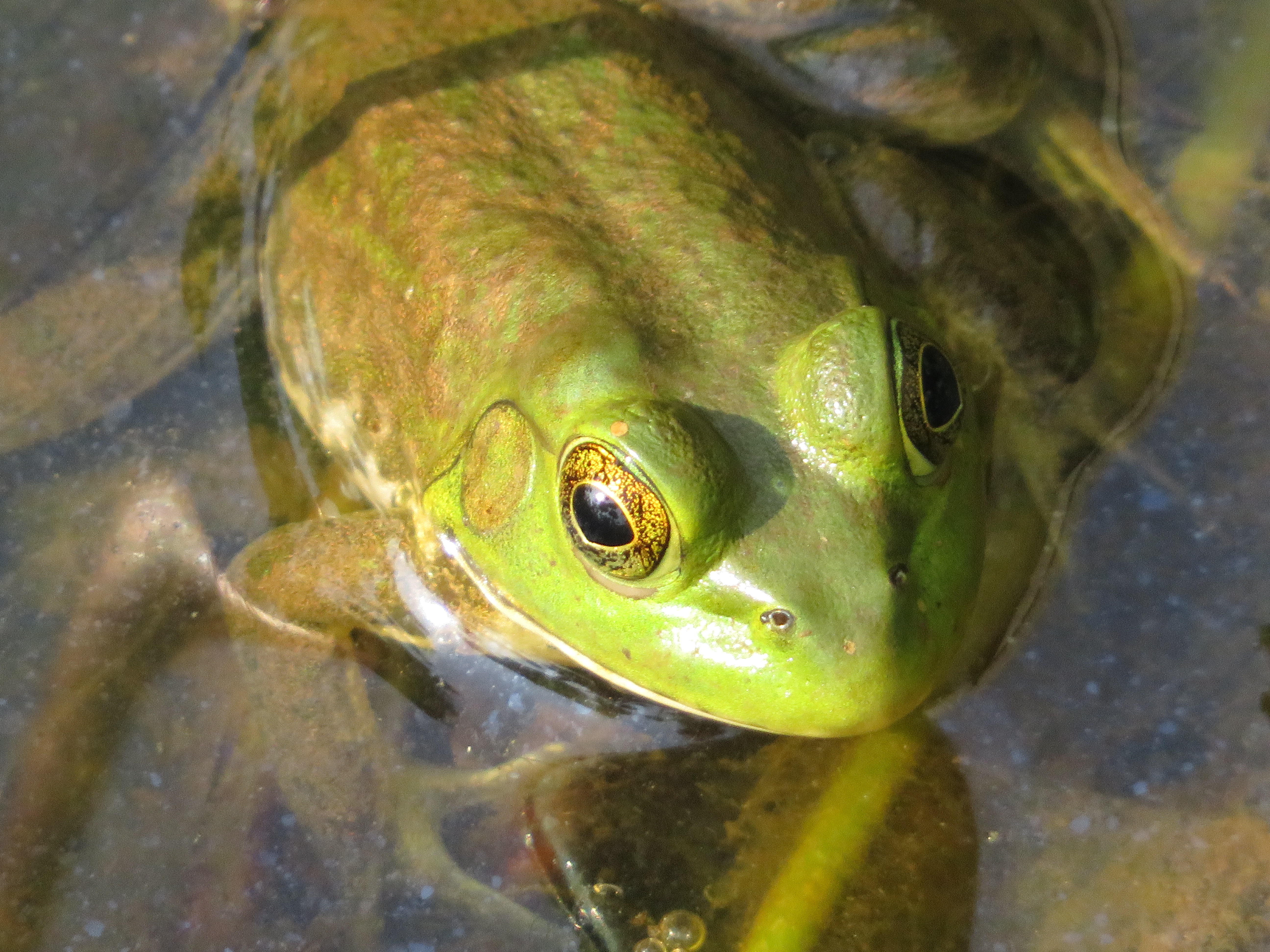
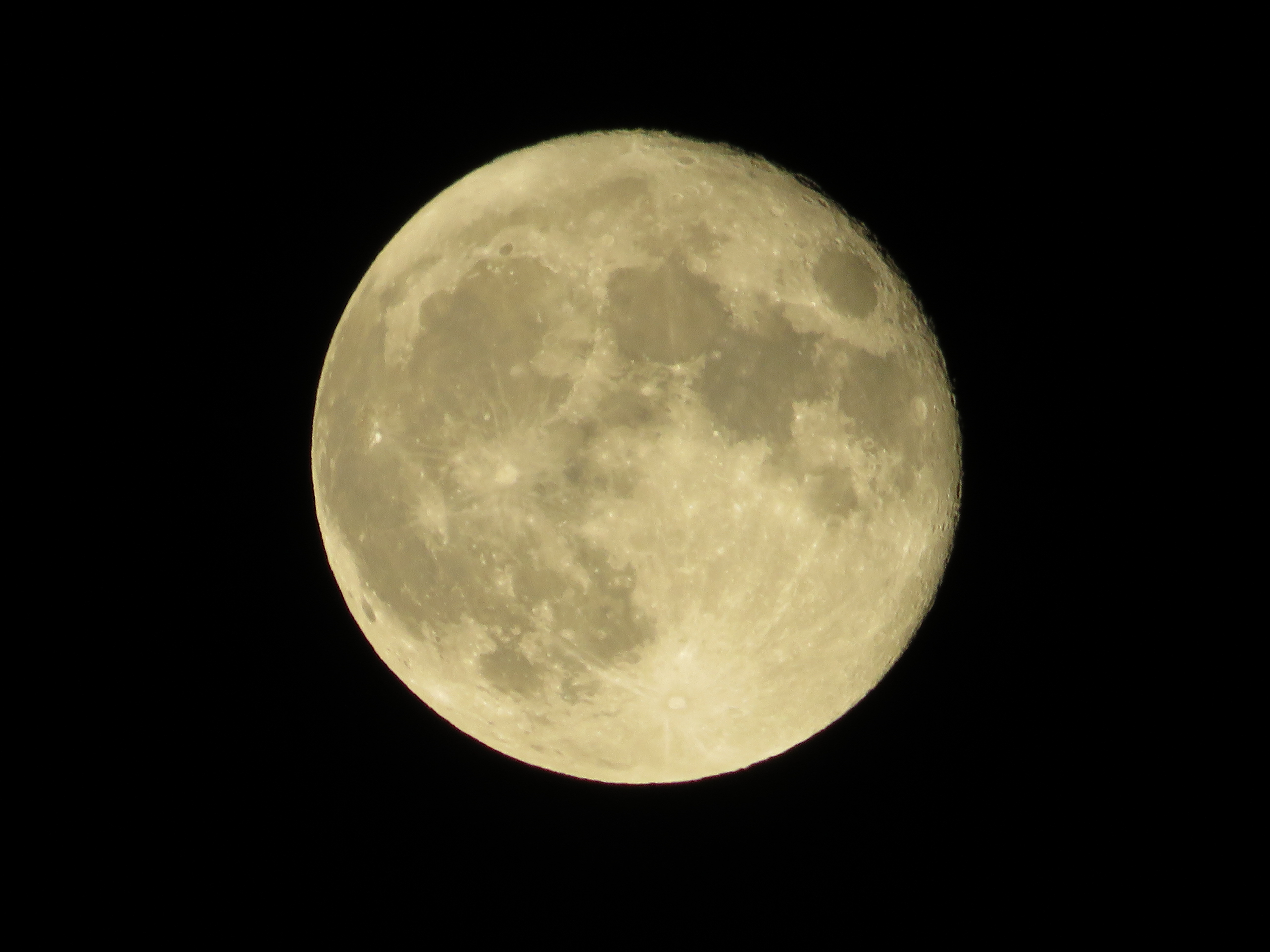
The Canon Powershot gives me more control and image quality than the Coolpix, with better zoom and overall resolution for digital photos. The tradeoff is that it’s bulkier, so it doesn’t fit in a pocket the way the Coolpix does. I tend to bring it when I know I want better shots and have room in my bag for it.

Sony Handycam
My fav vintage video camera
Growing up, my dad used the Sony Handycam to video document our family life from birthdays, to holidays, to trips, to swim meets, to ordinary weekends. Watching those tapes back is one of the most special things, something we do as a family at Christmas time especially, but something I love to do any day I’m feeling nostalgic or homesick. Now the same Sony Handycam is mine, and I’m using it to video document my life living in Hawai’i. The vibe from this camera is so nostalgic, warm, and more like a memory than a recording.
The short version
| Camera | Best for |
|---|---|
| Olympus TG-7 | Underwater macro photos |
| GoPro Hero 10 | Underwater video |
| Fuji Discovery 1000 | Easy automatic film |
| Konica FT-Motor | Manual film, landscapes, scenery |
| Nikon Coolpix | Everyday use, friends, flash |
| Canon Powershot SX150 | High quality digital photos |
| Sony Handycam | Video documentation of everyday things |
While my collection of cameras includes well over a dozen, these are the cameras that I actually use on a regular basis!
Bonus: My mom’s Nikon
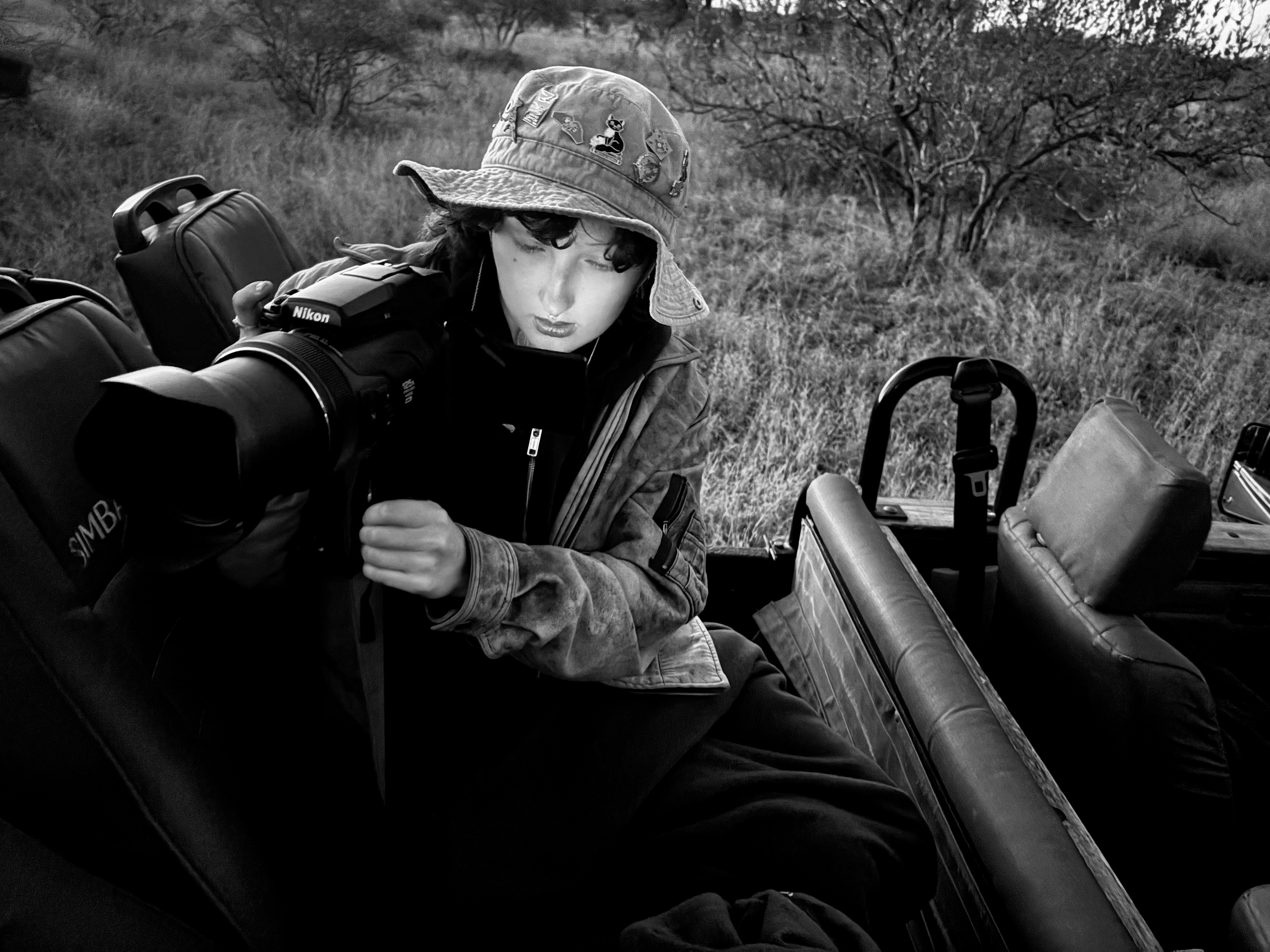
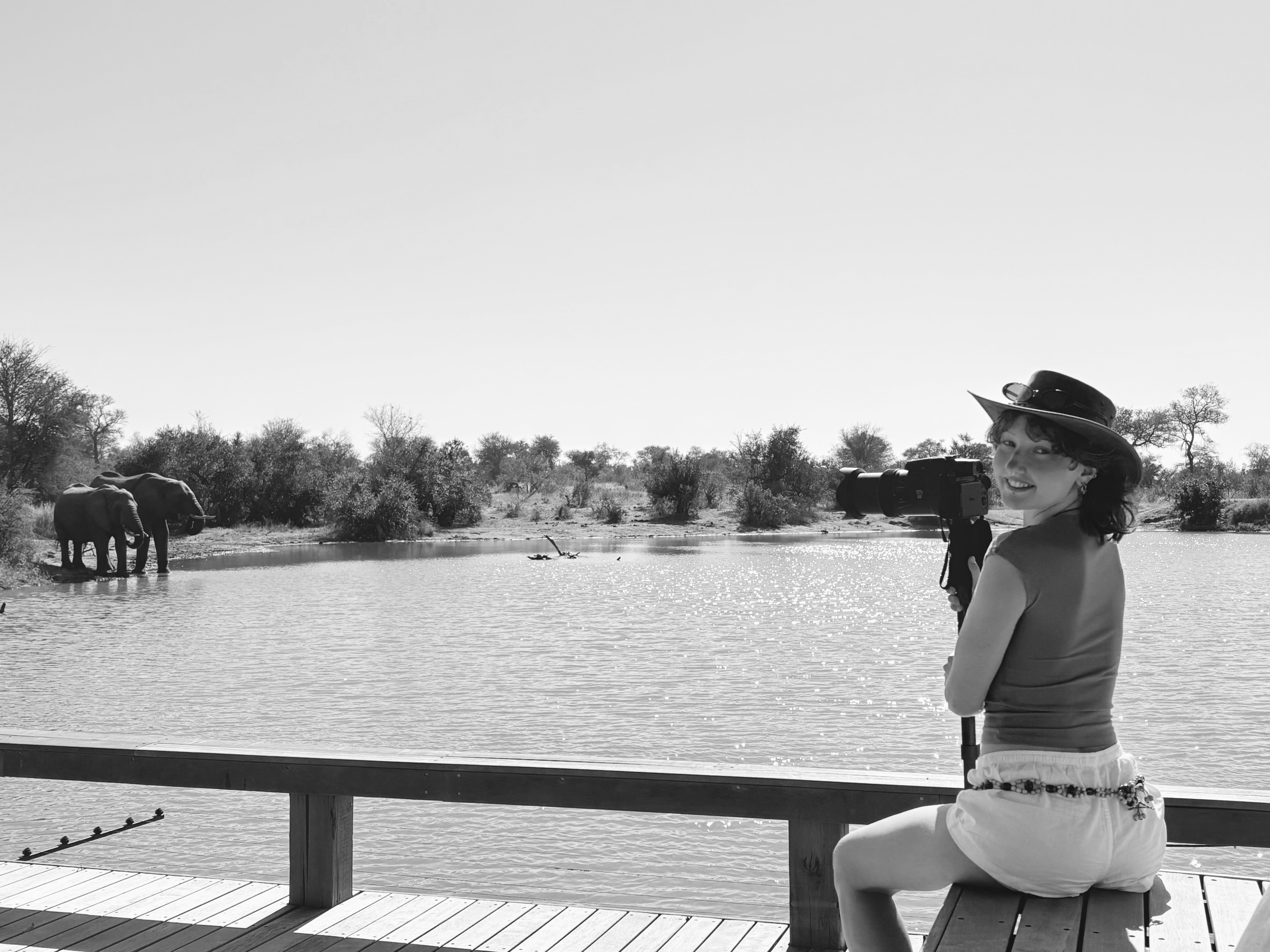
My mom has a hefty Nikon DSLR that she let me use on our safari in South Africa. It’s a pretty big camera (so big, you need a monopod or tripod to stabilize it) that produces stunning images, and having it for photographing wildlife in the distance was a gamechanger. It’s not mine, but I am not above asking to borrow it whenever the opportunity calls for it. Thanks mom!


