Marine Science Conservation Programs I Recommend Volunteering With
Published:
One of the most common questions I get from people interested in marine biology and conservation is: how do I get real field experience? Degrees are important, but nothing replaces time in the field. Getting hands on experience and actually doing the work is the most valuable thing you can do. Volunteer programs have been one of the most transformative parts of my career so far, and I want to share some that I’ve personally experienced and wholeheartedly recommend.
These programs gave me hands-on scientific skills and connected me with incredible people from around the world. Whether you’re a student looking to build your CV, a recent graduate figuring out your next step, or just someone who cares deeply about the ocean, there is a program out there for you!
MAR Expeditions — Závora, Mozambique
Website: marexpeditions.com
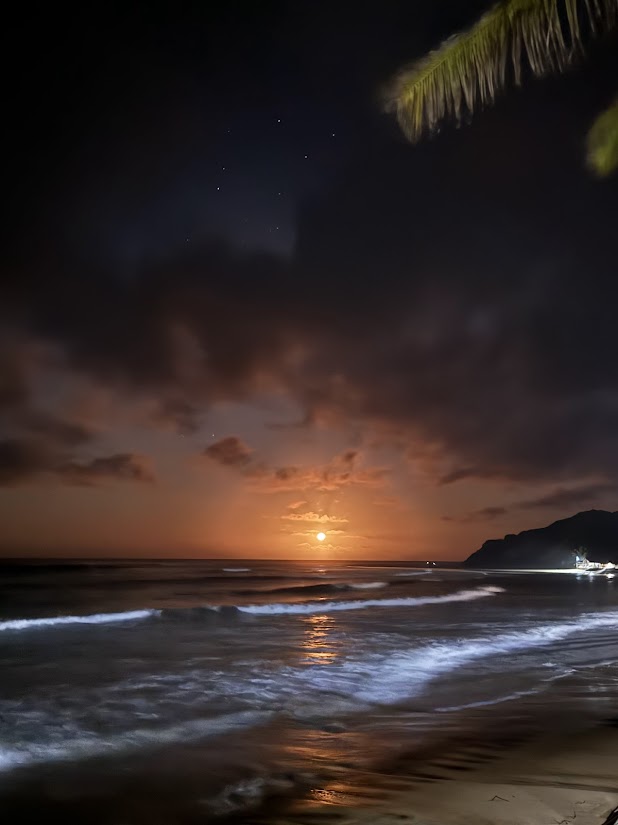
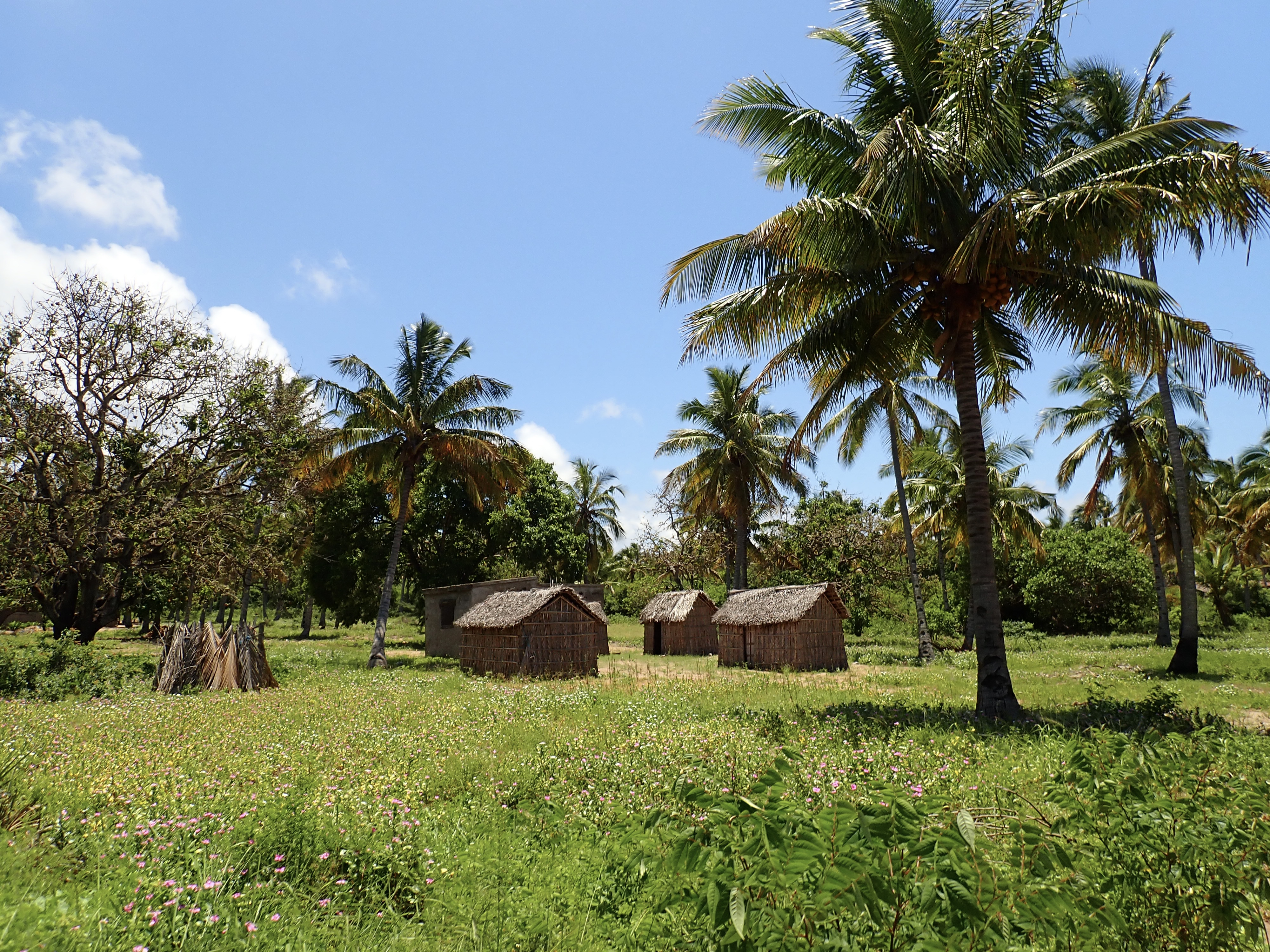
MAR Expeditions is a volunteer opportunity for aspiring scientists, passionate conservationists, and engaged naturalists to gain scientific SCUBA diving and freediving experience, support active research, and learn firsthand from experts across a variety of different marine environments in Závora, Mozambique.
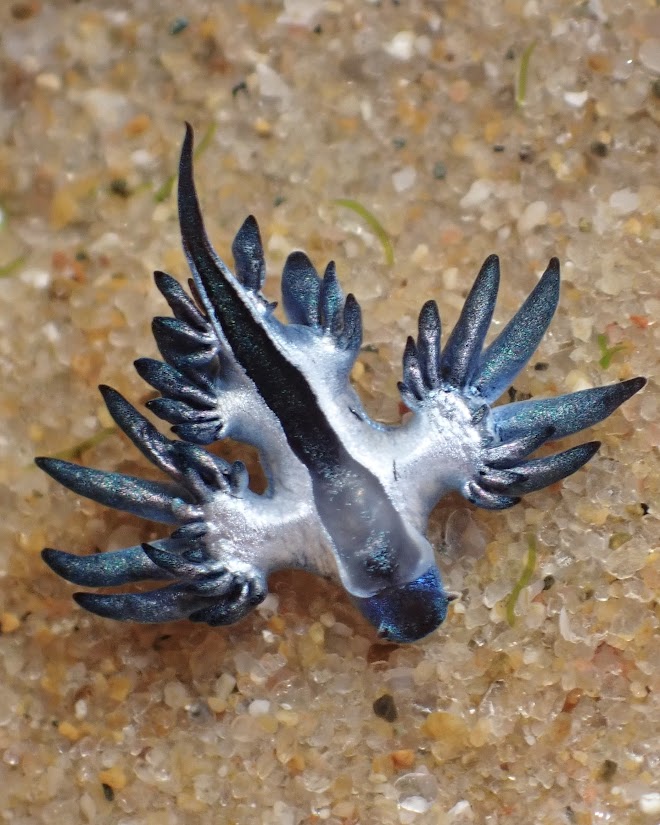
I first volunteered with MAR in July 2025 for four weeks contributing to their ongoing research programs. I loved it so much that I returned in January 2026 for six more weeks to collect the data for my own MSc thesis research on nudibranch sampling methodologies. MAR has genuinely shaped the direction of my scientific career!
Note: MAR requires volunteers to be Advanced SCUBA certified before arriving.
What the work looks like:
Shifts at MAR cover a range of research activities across multiple ecosystems.
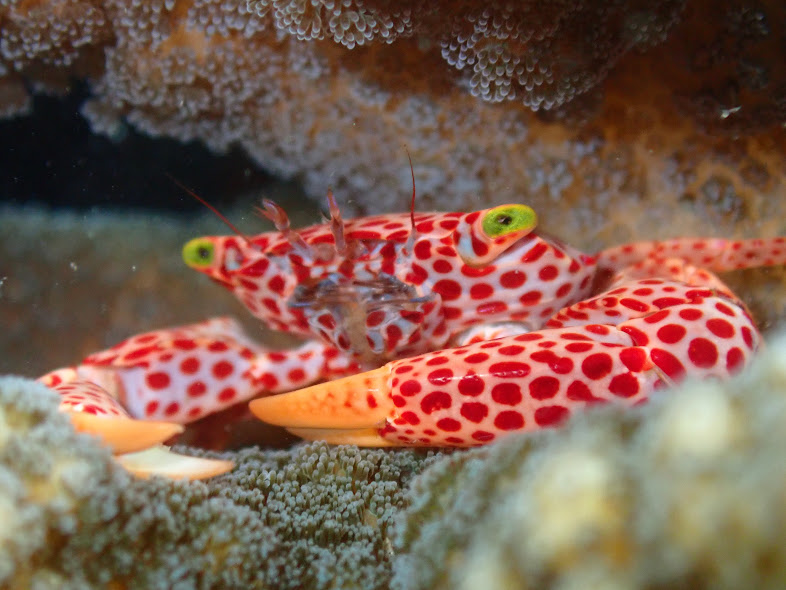
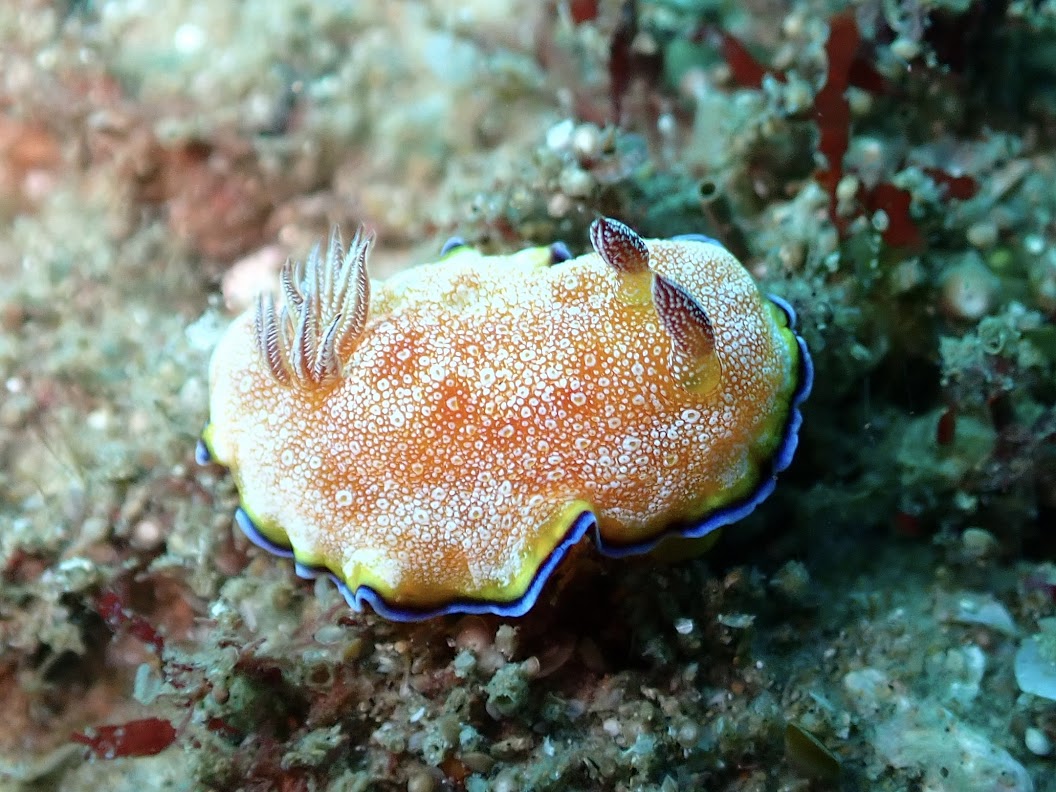
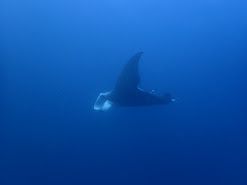
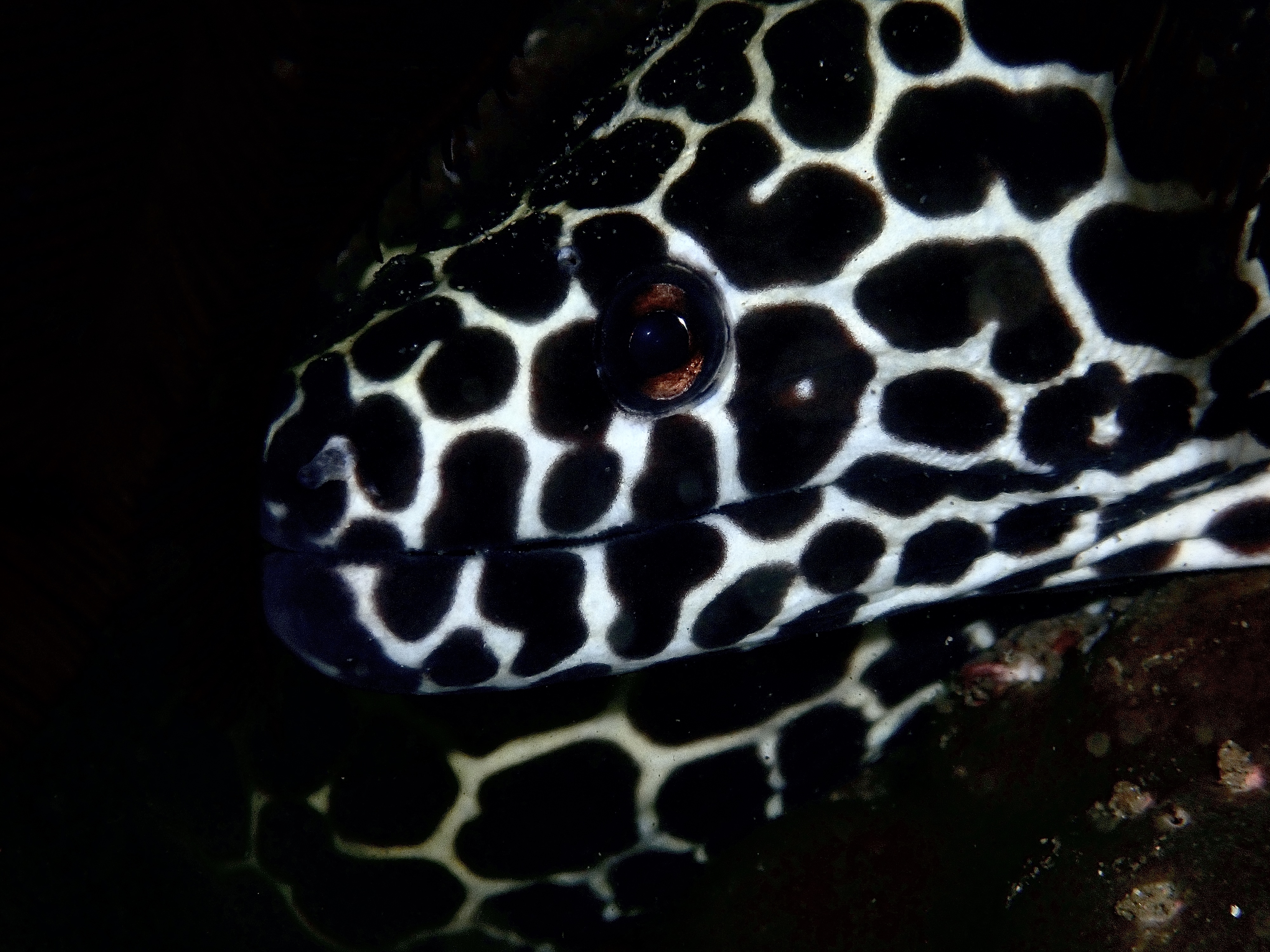
Research dives are the heart of the program. During SCUBA dives, volunteers participate in manta ray photo identification, nudibranch abundance and diversity assessments, and predatory fish surveys. During these dives, you may be fortunate enough to encounter a wide range of shark and ray species, turtles, eels, dolphins, and so much more! Winter is whale migration season, so if you’re really lucky (like I was) you may even encounter a whale on SCUBA!
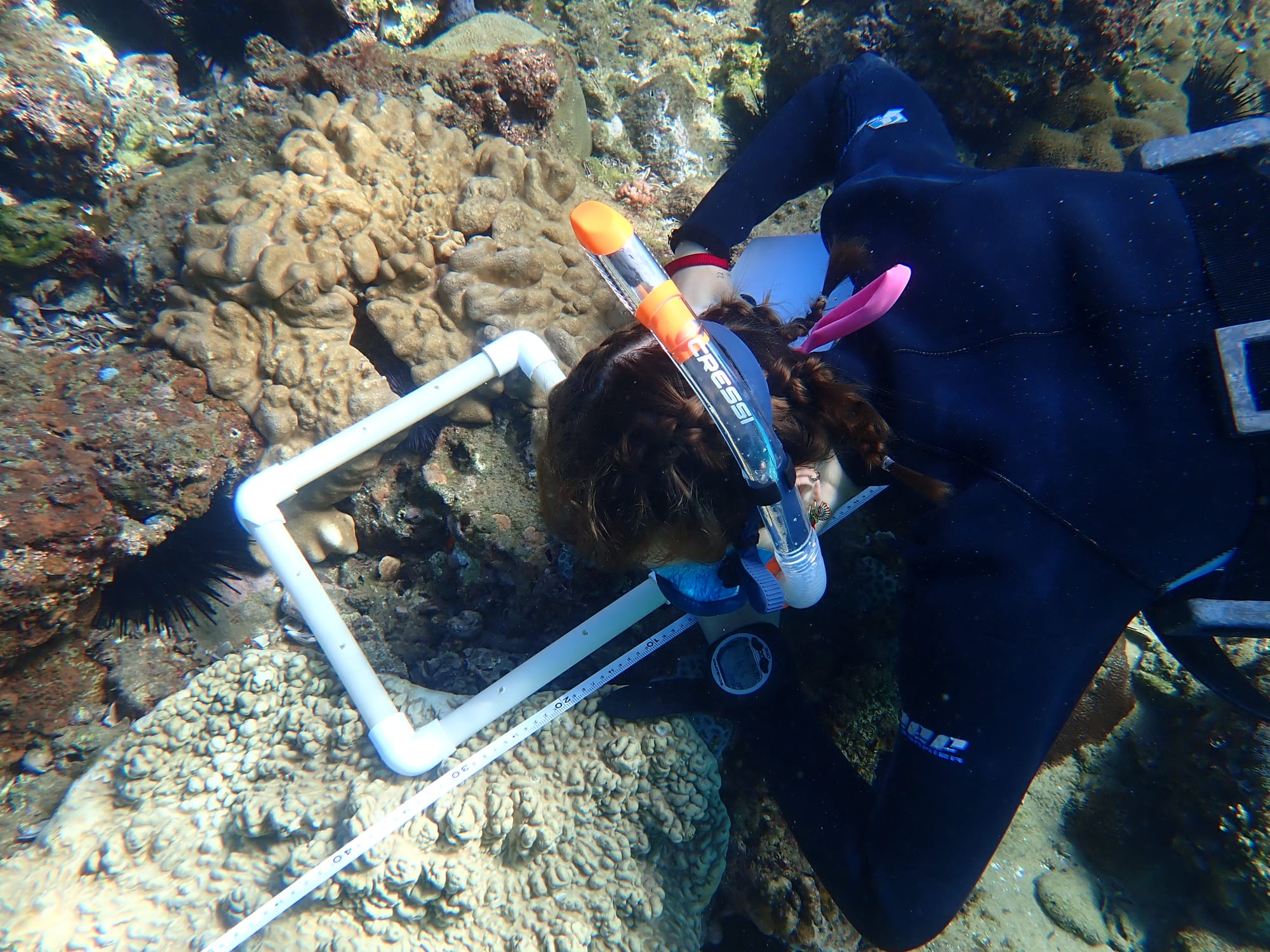
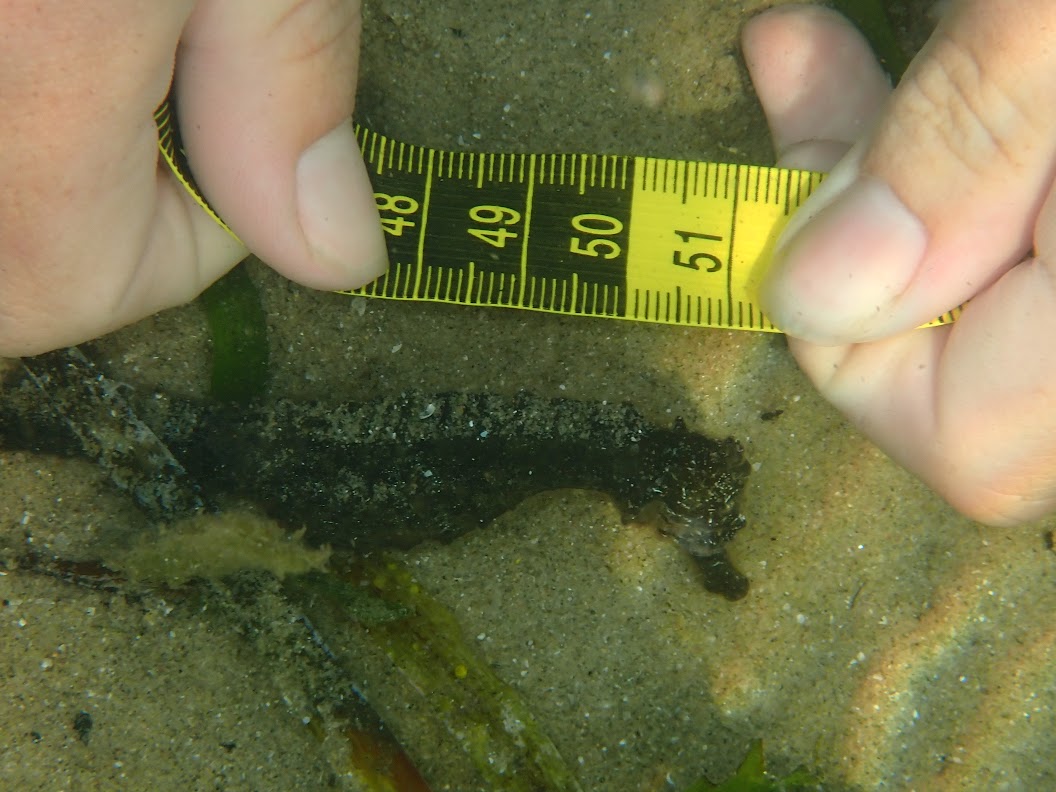
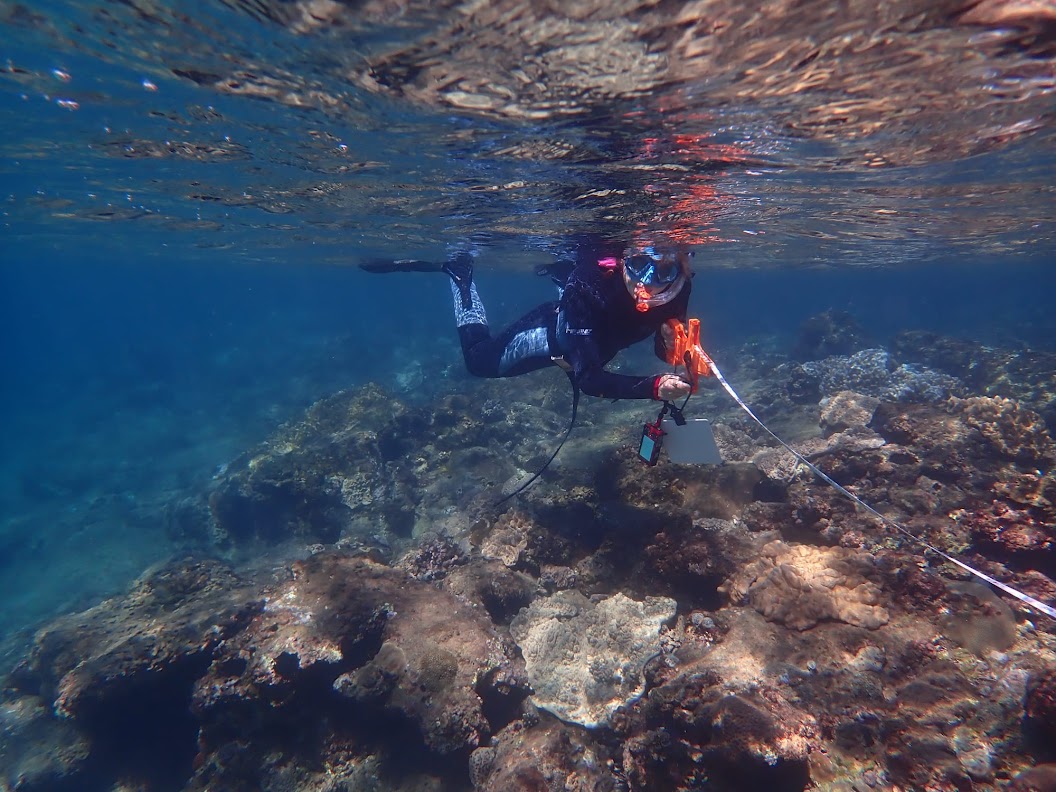
Snorkel surveys include seahorse monitoring in the Barra Lagoon and coral and nudibranch surveys in the Závora rockpool ecosystem.
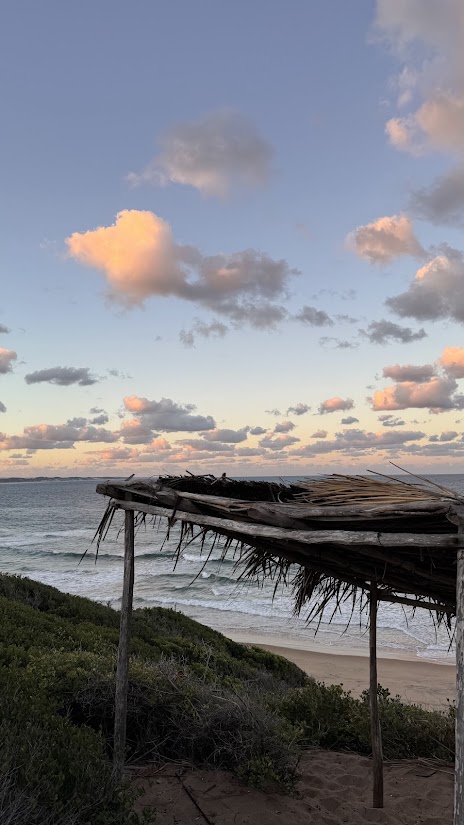
Land-based surveys involve Humpback whale monitoring from the sand dunes of Praia de Závora. During the austral winter months, Humpback whales migrate through the area, and these surveys contribute to long-term population data. We also made sure to track how many whales we saw on the boat each day, and we could even hear their whale songs on our dives!
Free time
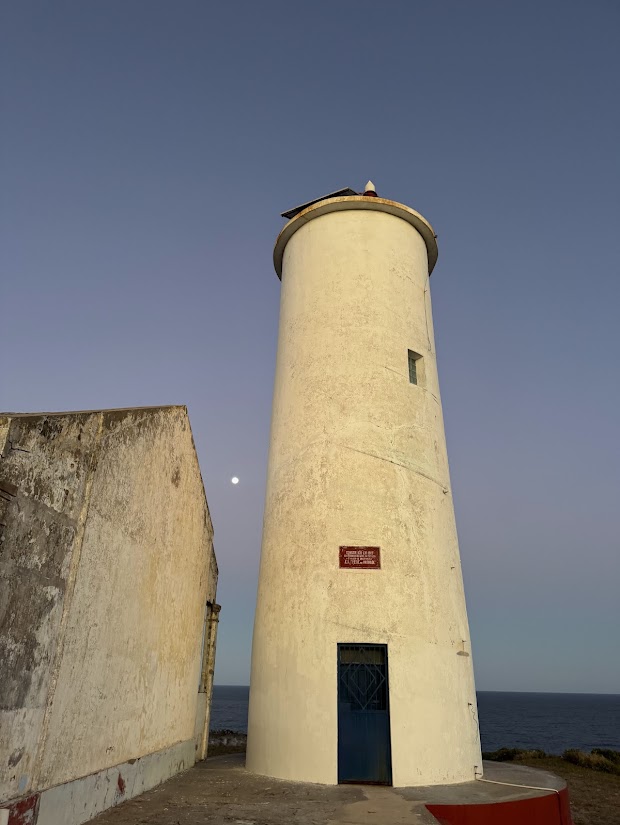
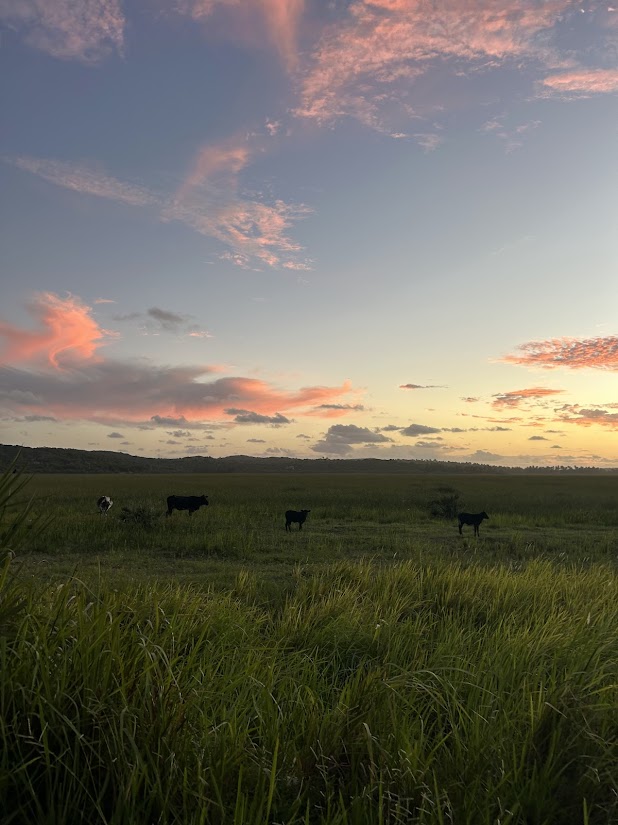
When you’re not on shift, you can complete data entry, walk to the lighthouse for sunset, head to the nearby lodge for pizza night, or book a whale shark snorkel tour out of Tofo.
Wildlife Sense — Kefalonia, Greece
Website: wildlifesense.com
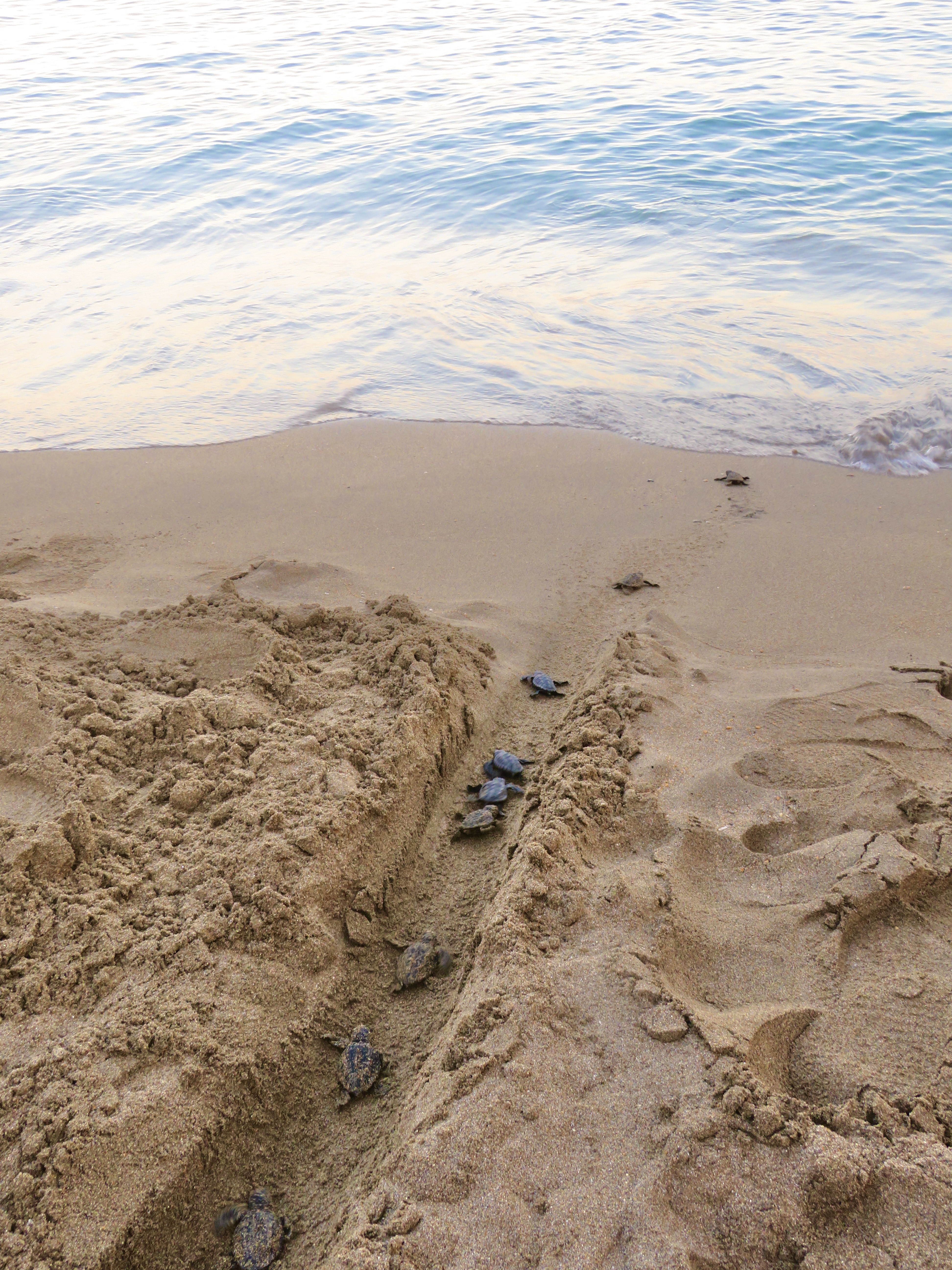
Wildlife Sense is a science-based research and conservation project in Kefalonia, Greece, that collaborates with local and national authorities to protect endangered sea turtles and their habitats. They run two volunteer programs: one focused on sea turtle conservation and one focused on coastal conservation.
In July 2023, I spent four weeks volunteering with their sea turtle conservation program and it was one of the most memorable experiences of my life. Kefalonia is a stunning island, but spending a month working to protect loggerhead sea turtles (Caretta caretta) in the Ionian Sea made it something truly special.
What the work looks like:
Shifts are divided into three main types:
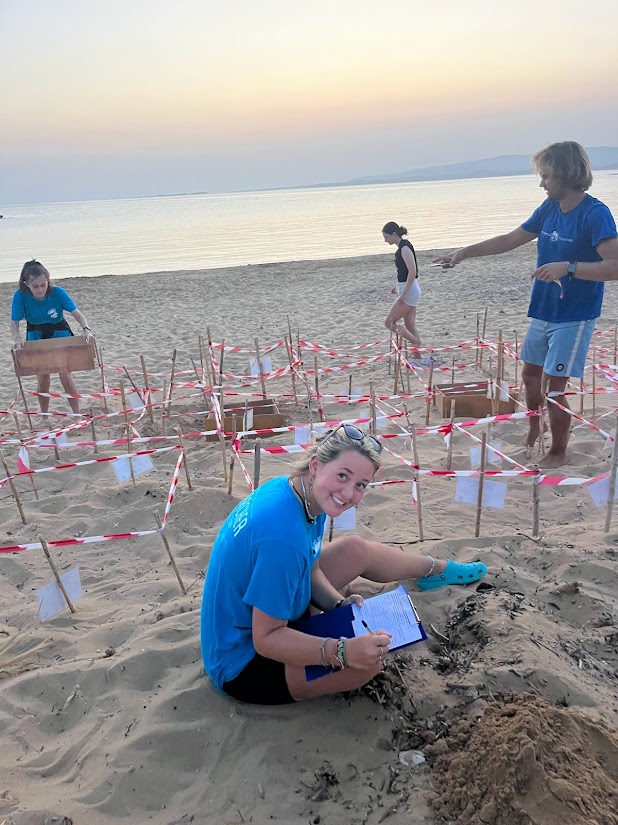
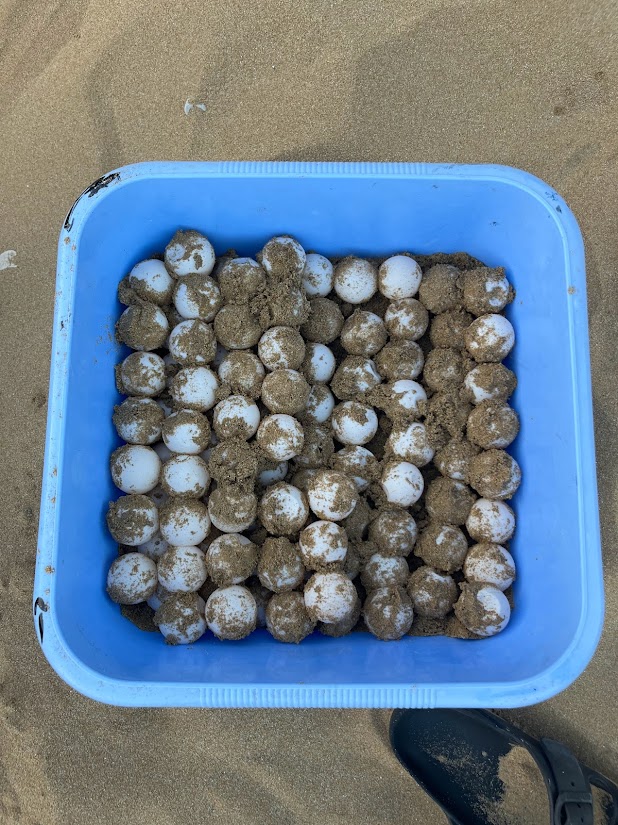
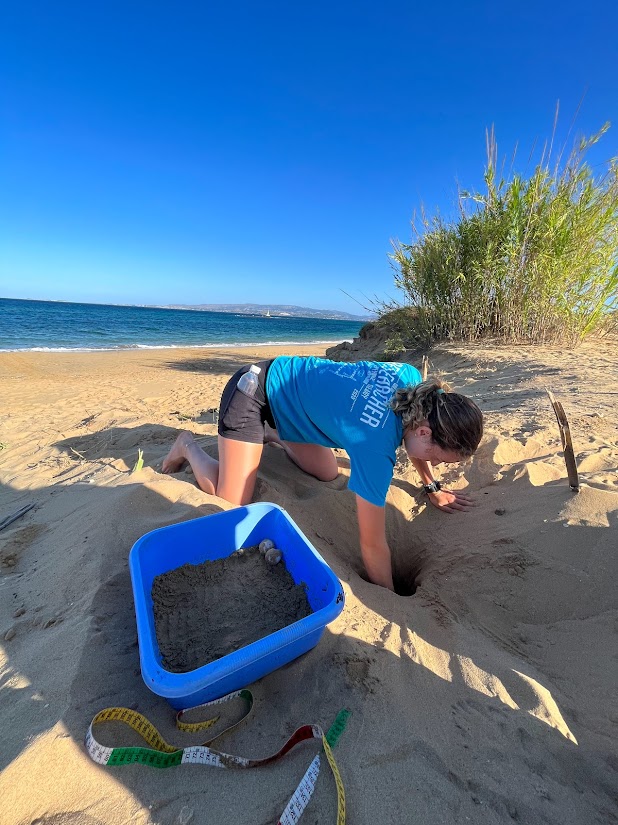
Beach shifts involve biking or walking to nearby beaches to protect newly laid nests, relocate endangered nests to safer locations, monitor nests that are currently incubating or hatching, participate in beach cleanups, and conduct beach mapping.
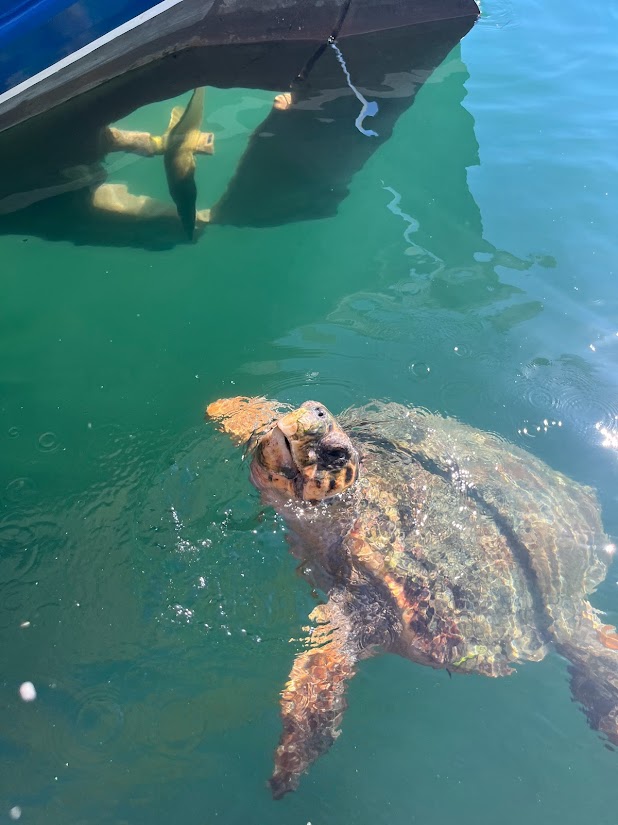
Harbor shifts take place at the Argostoli harbor, which is a well-known gathering spot for loggerhead turtles that forage there year-round. During these shifts, volunteers observe and record information about the turtles’ foraging behavior, social interactions, and any injuries or abnormalities.
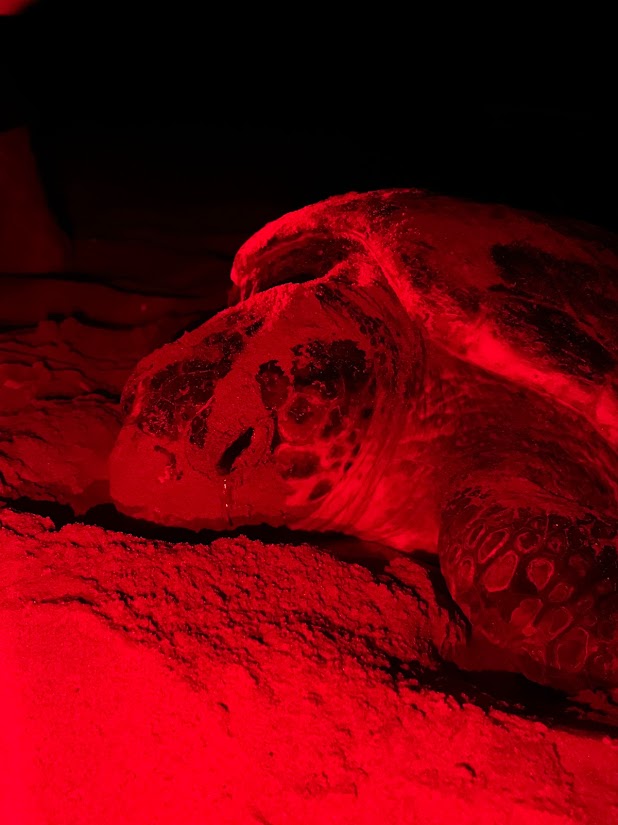
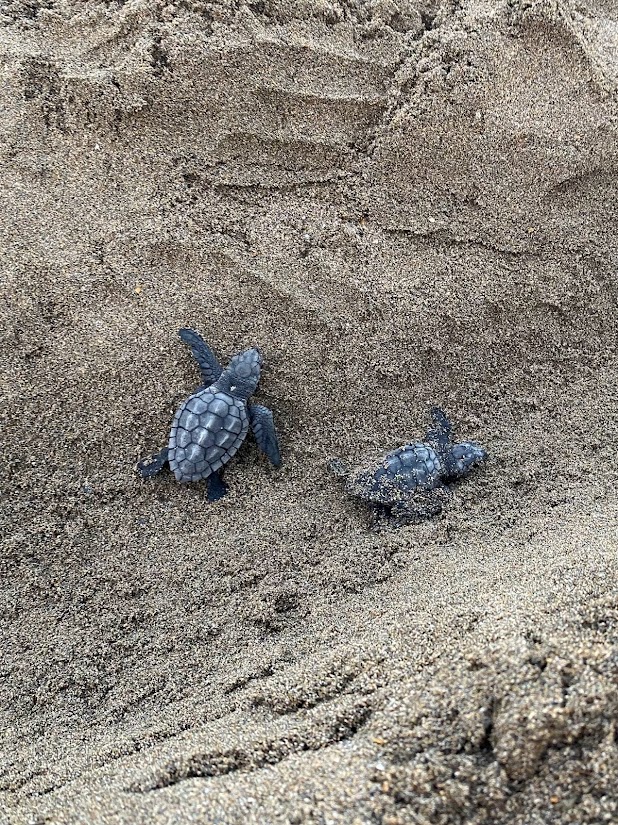
Night patrol shifts are assigned depending on the time of season. During these shifts, volunteers patrol the beaches to monitor any remaining nesting turtles and ensure that baby hatchlings make it safely to the sea. Turtles generally nest earlier in the season and hatch later, but in July 2023 the timing overlapped beautifully, and I got to witness both nesting females and hatchlings making their way to the ocean!
Free time
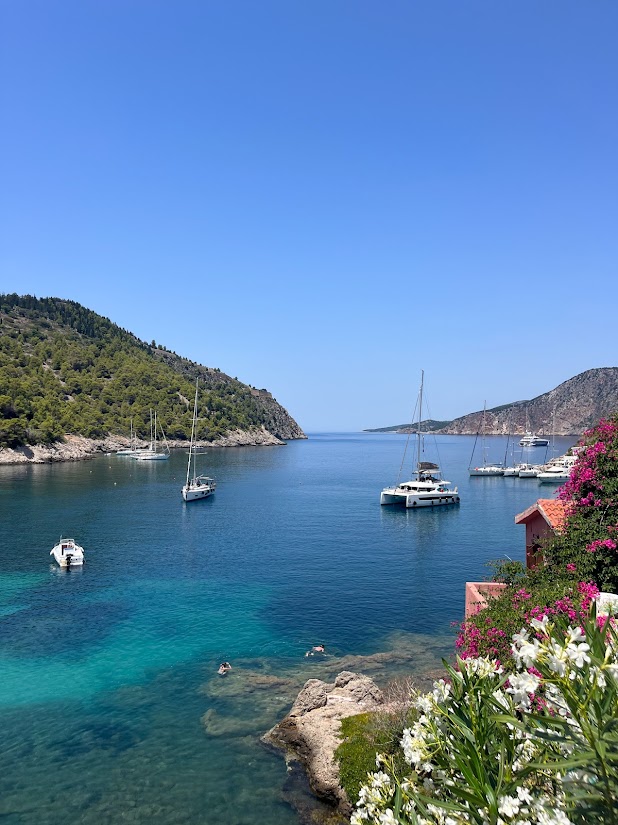
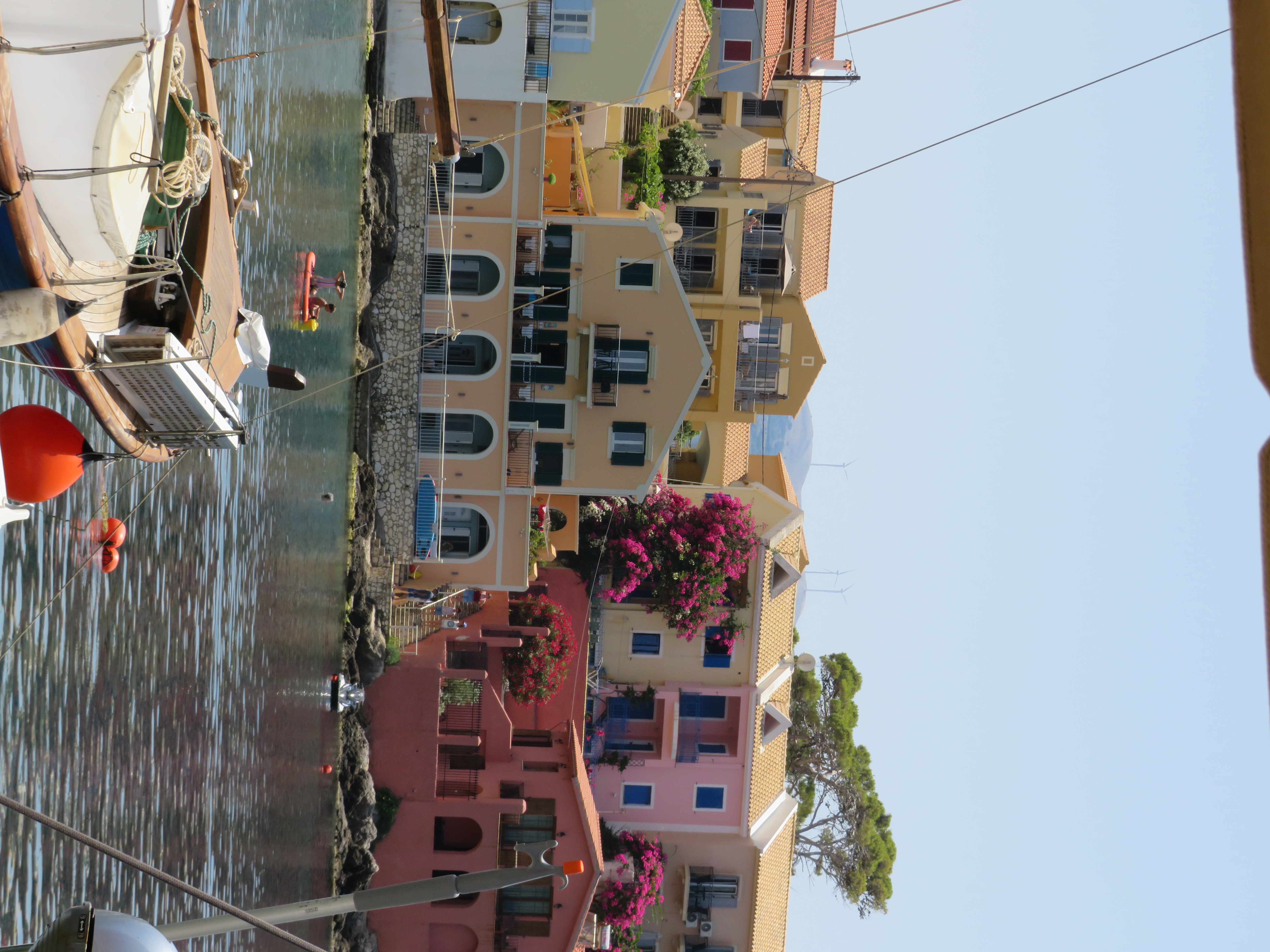
When you’re not on shift, there is so much fun to be had around the island. During my free time I explored the island and visited the town of Asos, booked a boat tour to nearby coves, relaxed at the beaches and pools, and ate my weight in Greek food.
BIOMA Travel — Ostional, Costa Rica
Website: biomatravel.org
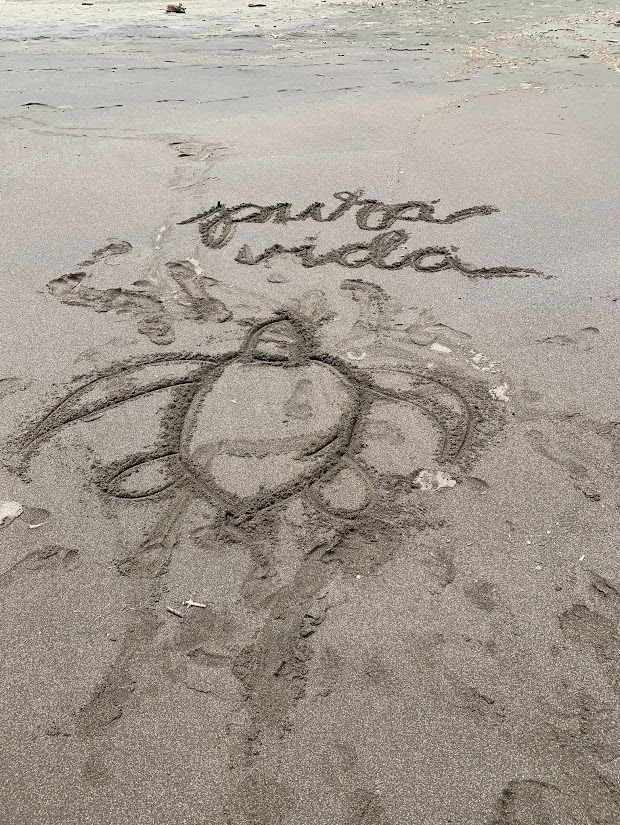
BIOMA Travel runs a sea turtle conservation program in Ostional, Costa Rica, focused on hands-on research with nesting Olive Ridley sea turtles (Lepidochelys olivacea). The program emphasizes learning sea turtle biology, ecology, and conservation while developing real scientific techniques to collect and analyze data on nesting and foraging turtles, all under the guidance of local project staff.
In June 2021, I volunteered for 12 days with their sea turtle conservation program. It was my first real conservation experience, and it lit a fire in me that has guided everything I’ve done since.
One of the most extraordinary things about Ostional is that it is one of the few places in the world where Olive Ridley turtles perform an arribada, a Spanish word meaning “arrival”, in which thousands of females come ashore simultaneously over a 3 to 5 day period to nest. Witnessing this phenomenon was unlike anything I had ever seen. Collecting data during an arribada is both scientifically invaluable and deeply inspiring.
What the work looks like:
Turtle research happens at night, when nesting females come ashore. During these shifts, volunteers collect data on nesting females including measuring the depth of the nest and counting how many eggs are laid, measuring the size of the nesting turtle, and tagging any untagged turtles to contribute to long-term population monitoring data.
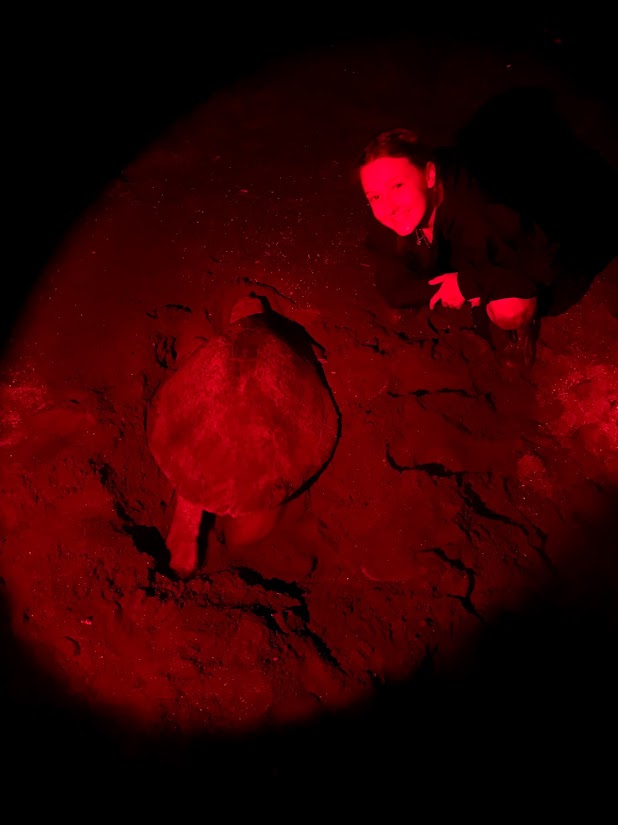
Additional conservation work includes planting trees to restore coastal habitat and participating in beach cleanups to reduce threats to nesting turtles and hatchlings.
Free time
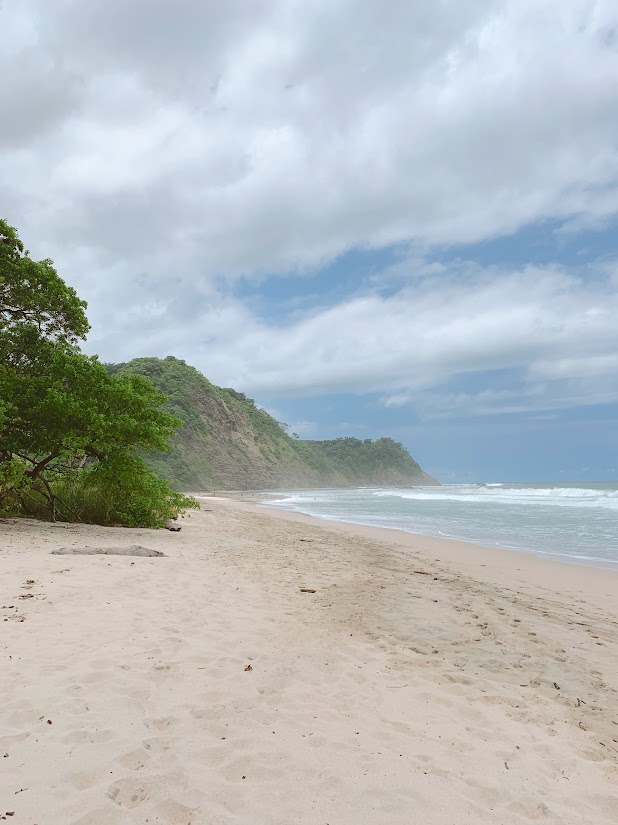
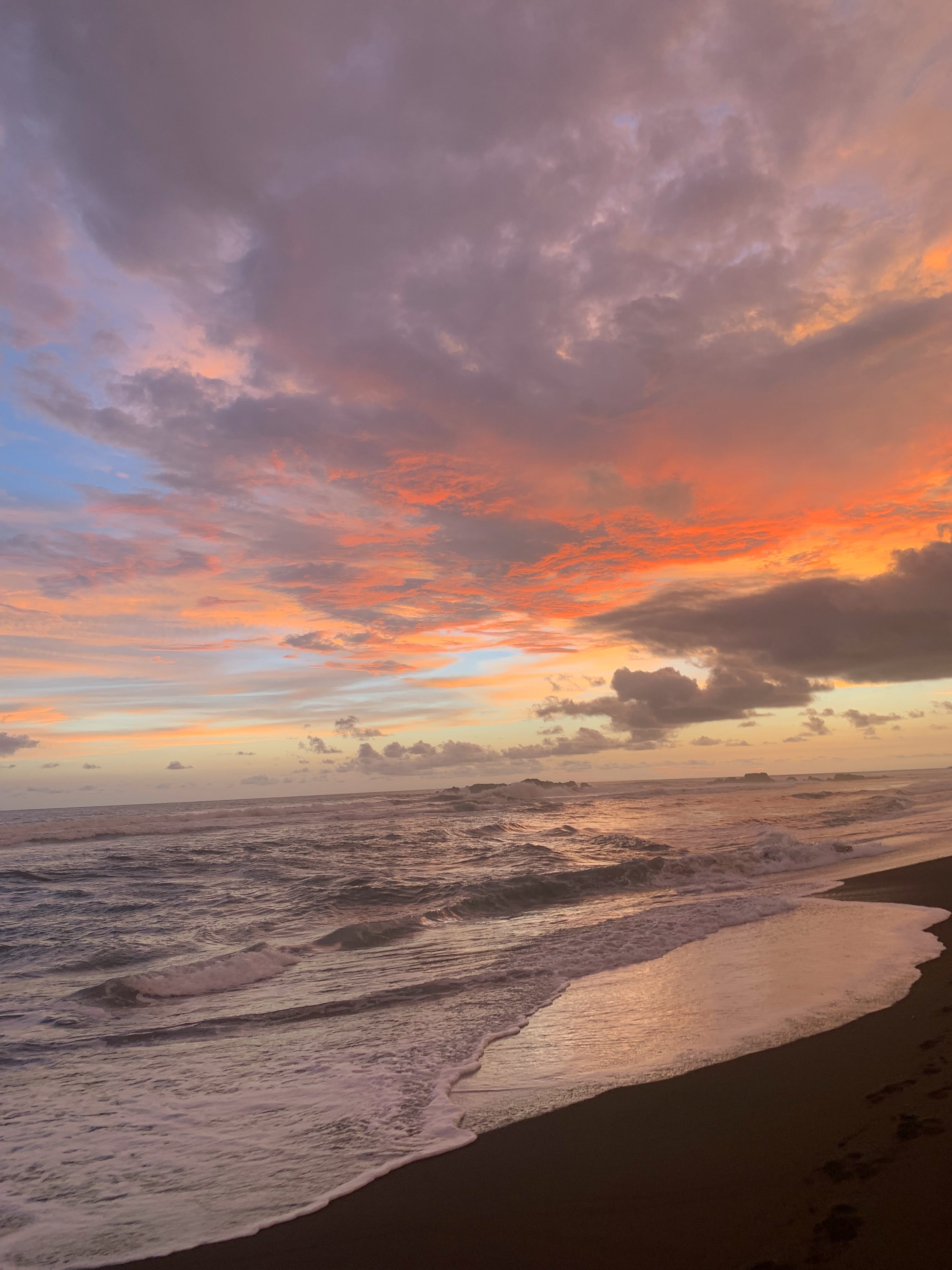
In your downtime, the area around Ostional has a lot to offer. We hiked to nearby waterfalls, watched some of the most beautiful beach sunsets I’ve ever seen, played football with the local community, and ate the most incredible homemade food with my host family.
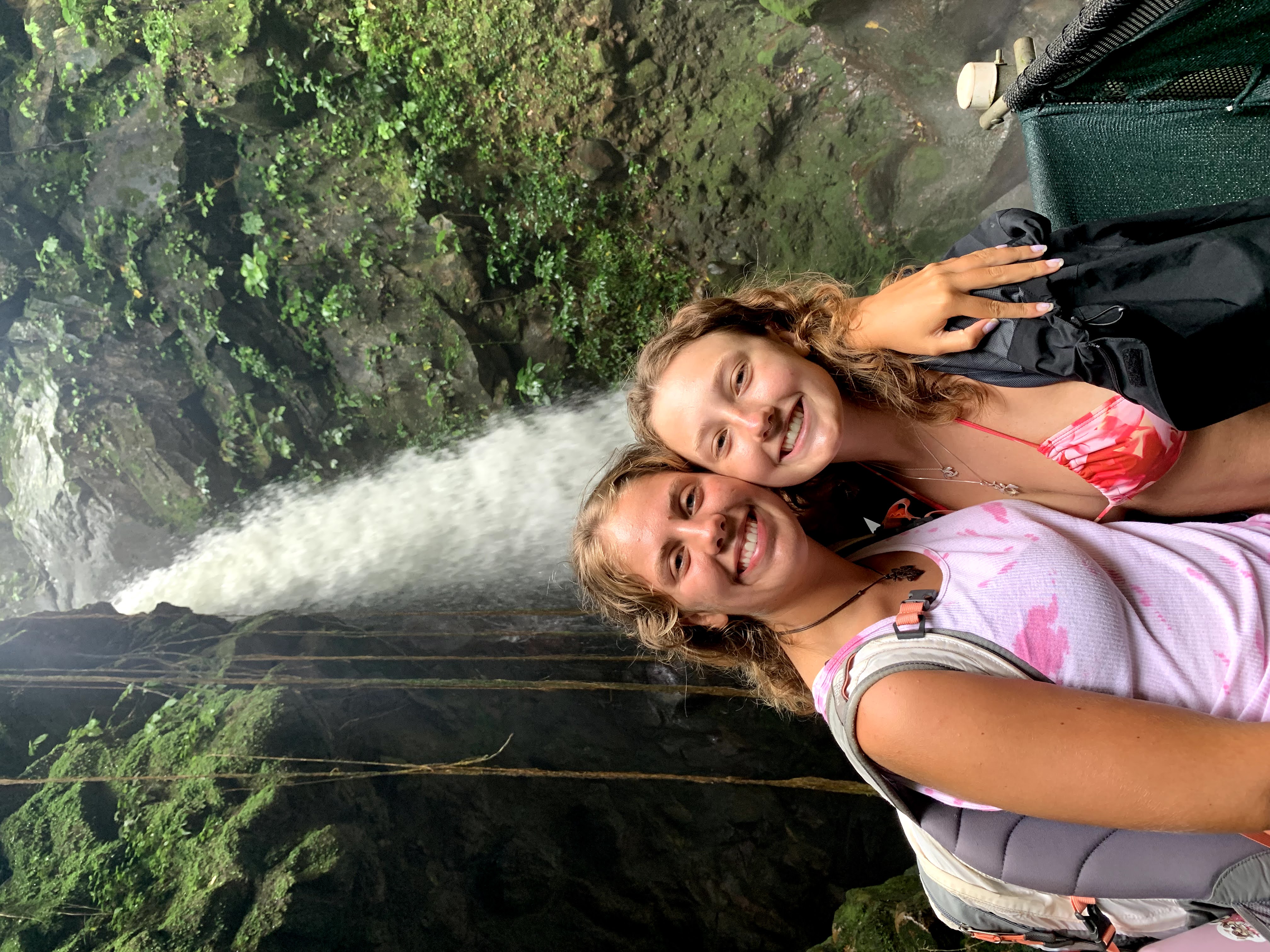
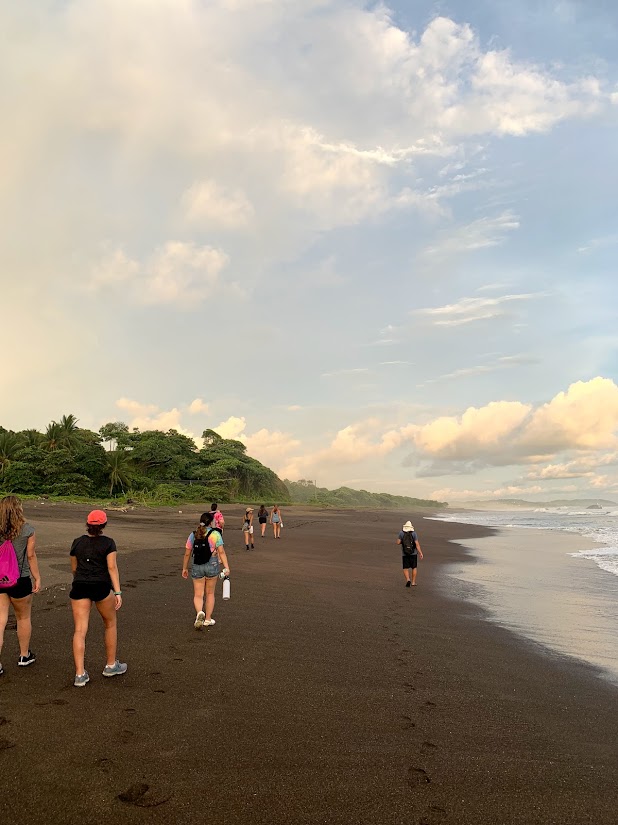
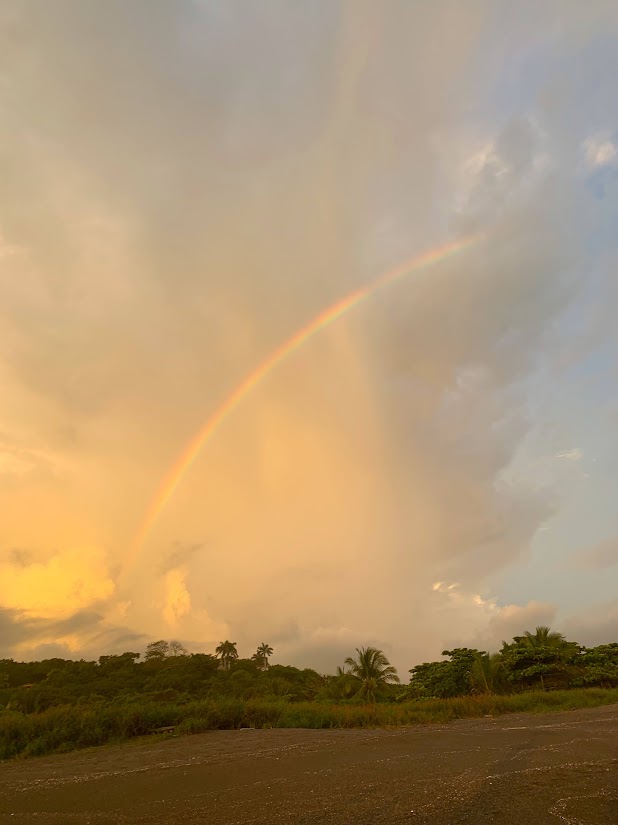
BIOMA also offers an optional 3-day add-on at the end of the program that includes waterfall exploration, zip-lining, river tubing, surfing, and time to relax in hot springs and mud baths.
Why it’s worth it
From these volunteer programs, you can progress your career in marine science by learning valuable field skills while participating in meaningful conservation research, traveling the world, and meeting people who share your passion for the ocean.
If you’re considering any of these programs and want to know more about what to expect, what to pack, or what the day-to-day really looks like, feel free to reach out!
Apply today.
- MAR Expeditions — Závora, Mozambique
- Wildlife Sense — Kefalonia, Greece
- BIOMA Travel — Ostional, Costa Rica


